Home Blog Page 126

Sibongile and The Dlaminis” becomes the most-watched TV show on DStv

0

Sibongile and The Dlaminis is the number one show on DStv and Mzansi Wethu. The Broadcasting Research Council of South Africa (BRCSA) March 2024 figures confirm that Sibongile and The Dlaminis is the most-watched TV show on DStv.

The telenovela dethroned Umkhokha: The Curse which received 1.3 million viewers. The telenovela stars actors Luyanda Zwane, Ayanda Borotho (née Ngubane) and Siyabonga Shibe, and Vuyo Biyela

Sibongile and The Dlaminis

The show was also announced as the most-watched show on Mzansi Wethu, with over 780 000 viewers in February.

Sibongile and The Dlaminis is produced by Rhythm World Productions, which also produces Umkhokha: The Curse and My Brother’s Keeper

Source: News365

DJ Tira’s Afrotainment studio robbed

0

DJ Tira’s record label, Afrotainment suffers a huge loss as it studio was burgled and left empty. The boss of the label Tira is mute about this hideous incident as at time of writing this article, but TNS and Tipcee reported it on their social media accounts, with photos of the empty studio. The music artists said there’s a reward of R20,000 to anyone who can provide infomation on how to retrieve the stolen equipment.

DJ Tira

“There was a break in at Afrotainment Studio last night (Wed, 24-04-2024). All studio equipment was stolen. This includes hard drives that consist of music files – including unreleased music,” she wrote.

DJ Tira

“If anybody has any information or comes across people who are selling studio equipment that is suspected to be the equipment stolen from Afrotainment, please contact us. IMMEDIATELY on the following number: Samkelo- +27 673405002.”

DJ Tira

“There is a reward of R20 000 for anyone who provides information that leads to the successful recovery of the studio equipment,” Tipcee added. TNS wrote, “Sicela abanomkhondo wezigebengu, ezingene zantshontsha impahla Afrotainment Studios asithinte umkomela u20K

Source: News365

Anele Tembe didn’t jump – Journalist Melinda Ferguson speaks out

0

Popular journalist Melinda Ferguson opens up about Anele Nelli Tembe’s death in a sit-down interview with Sol Phenduka. The Podcast and Chill cohost question Melinda on why she said AKA’s girlfriend didn’t commit suicide by jumping from the 10th storey of the hotel she lodged with the late rapper. The journalist said she was told from a solid source that Anele didn’t jump that day but a terrible mistake happened which led to her fall.

Anele Tembe

She further talked about how the late lovers had fought at the club before they went to the hotel, which led to the terrible mistake. Melinda Ferguson will be releasing a book about the late AKA and late Anele Tembe’s love story.

Anele “Nellie” Tembe

However, the families of the deceased have distanced themselves from the book.

The Forbes said the book is distasteful and opportunistic.

Source: News365

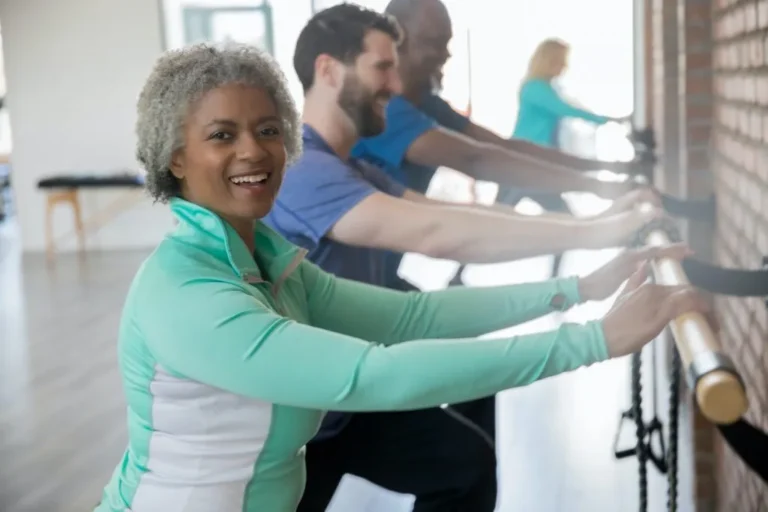
How to Get Started With Barre Workouts

Jumping into a new workout style can be intimidating, and barre — a combination of Pilates, ballet, and yoga — is no exception. But rest assured, barre can easily accommodate anyone, regardless of fitness level or dance background (or lack thereof).

“It’s a low-impact workout that’s not overly aerobic, so it doesn’t overstress the heart,” says Elizabeth Matzkin, MD, a board-certified orthopedic surgeon and the chief of women’s sports medicine at Brigham and Women’s Hospital in Boston. “And because it can be easily modified, it’s a good option for most people.”

In fact, many find that barre is more beginner-friendly than yoga and Pilates, as the basic poses are very simple, notes the International Sports Sciences Association (ISSA).

Ready to hit the barre? Here’s what you need to know to get started.Barre classes vary by instructor and studio. However, they generally last 60 minutes and follow a similar pattern: a warm-up involving dynamic (moving) stretches, a workout at the barre and on the mat that consists of poses and small movements that focus on specific muscle groups, and a cooldown focused on stretching and yoga poses, according to the ISSA.

It’s best to choose a beginner in-person barre class when you’re starting out. The instructor will explain barre terminology and demonstrate foundational movements, giving you the opportunity to learn proper form before progressing, per the ISSA.

Once you feel comfortable with the terminology and positions, you can take intermediate barre classes online or in person. “Online classes offer a convenient way to take barre, while in-person classes offer direct teaching from the instructor and the fun, invigorating energy from being in a group setting,” says Dara Driessea, a personal trainer certified by the American Sports and Fitness Association and a barre instructor with FlexIt in Barnegat, New Jersey.Fortunately, barre doesn’t require any special fitness apparel. Many people opt for yoga apparel (think performance tights and a fitted top), but wear whatever you feel comfortable exercising in.

You also won’t have to worry about shoes, as barefoot is best for a barre class, Driessea says. However, some people prefer to wear barre socks or socks with gripping bottoms so their feet don’t slip on the floor when they get sweaty.

What about the barre? You can invest in a barre if you’re doing an online workout at home, but it’s certainly not required. The ISSA suggests using a stable surface like a countertop or sturdy chair as a barre stand-in. Add a nonslip yoga or exercise mat for floor exercises and you’re good to go!

Tips for Staying Safe During BarreWhile barre is a relatively safe activity, there’s always a chance of injury. To stay safe, follow these tips:

Start with body weight. Many barre classes incorporate light weights. However, stick to your own body weight when you’re just starting. Barre uses low weight and high repetitions, which your body may not be used to when you first start taking classes, Dr. Matzkin says. If you introduce weights too quickly, you can increase your risk of pain and injury. Wait until your body has acclimated to the demands of barre before adding resistance.
Focus on your form. Correct form is crucial in every workout but even more so in barre. “With barre, you’re doing repetitive exercises, and if you’re not using good form, your risk of injury significantly increases,” Matzkin says. Taking an in-person barre class when you’re starting out is a good idea. This way, the instructor can watch your form and offer tips.

Allow for rest and recovery. Doing the same activity daily can increase your risk of injury, says Alex Higa, a personal trainer certified by the American Council on Exercise who works with clients at Tempo in San Francisco. So give yourself at least one day off between barre classes. Do other activities like walking, cycling, or gentle yoga.

How to Warm Up for a Barre Workout
Warm-ups are a customary part of any barre workout class. For example, Driessea’s warm-ups typically include a light cardiovascular routine that incorporates foundational ballet movements like pliés (bending the knees with heels on or off the floor and toes pointed outward) and relevés (rising onto the toes or balls of the feet).

But if you’ve found an online or in-person class that doesn’t include a warm-up, make sure you take a few minutes to get your body warm, Higa says. In addition to pliés and relevés, warm-up exercises that are particularly effective for barre include side bends (from a standing position, extend one arm overhead and bend your upper body toward the opposite side) and cat-cow (kneel on the ground on all fours and alternate between arching and rounding your spine). Then use this four-week beginner routine from Driessea. You’ll ease in with two barre workouts per week and progress to three by the third week.

Barre shouldn’t be your only workout. “You need to give your muscles a break and alternate other types of workouts to engage different muscles,” Driessea says.

Plus, adults need at least 150 minutes of moderate-intensity aerobic exercise (or 75 minutes of vigorous-intensity exercise) and two full-body strength workouts per week, according to the U.S. Department of Health and Human Services (HHS).

For that reason, non-barre days should include low- and moderate-intensity cardio and additional strength and flexibility exercises like traditional strength training, yoga, and Pilates. You’re free to adjust the length and intensity of these cardio, strength, and flexibility sessions to suit your fitness level. However, aim to reach the minimum physical activity recommendations outlined by the HHS.

Source: everydayhealth

What Are Kegel Exercises?

Many people don’t bother paying attention to their pelvic floor. But this region plays many roles that make it worthy of a second look. The pelvic floor is a bowl of muscles that form the bottom of the pelvic cavity and support the uterus, bladder, and rectum and help us control bodily functions like urination, defecation, and vaginal delivery,” explains Wendy Goodall McDonald, MD, a board-certified obstetrician-gynecologist in Chicago.

Like other muscles, the ones in your pelvic floor need to be worked regularly to stay strong and fit. This helps them do their jobs efficiently and effectively. One way to support pelvic floor health is to perform Kegel exercises.

Here’s what Kegels are, their benefits, and how to do them.What Are Kegel Exercises?
“The purpose of Kegel exercises is to strengthen the pelvic floor,” says Amy Wetter, MD, a board-certified gynecologist at Northside Women’s Specialists in Atlanta. These exercises involve tightening and relaxing the pelvic floor muscles as though you were stopping and restarting the flow of pee.

According to the Cleveland Clinic, Kegel exercises can help with issues caused by weak pelvic floor muscles, including urinary incontinence (leaking pee) and accidentally passing gas and stool. These issues tend to be more common in older adults and people who have given birth.

Strong pelvic muscles may help with childbirth and recovery. In addition, Kegels may make sex more pleasurable.

You don’t need a gym membership or any special equipment for Kegel exercises. You can do them anywhere, anytime, and perform them sitting, standing, or lying down. So, you can do Kegels when it’s most convenient for you, but it’s best to do them consistently. “Kegel exercises are meant to be performed daily,” Dr. Wetter says. “Like any muscle in the body, you need consistent, repetitive activity to see results.”The general recommendation is to do Kegels three times per day. Aim for three sets of 10 to 15 repetitions, per Mayo Clinic.

But Kegel exercises may not be beneficial for everyone. “While individuals suffering from a weak pelvic floor or urine leakage can benefit from Kegels, they are not a one-size-fits-all exercise,” explains Tamara Grisales, MD, a board-certified gynecologist in female pelvic medicine at the Center for Women’s Pelvic Health at UCLA in Los Angeles. For example, women who experience painful sex may not benefit from Kegel exercises, she says. Kegel exercises may cause the vaginal muscles to tighten too much, causing pain during intercourse.

Kegel exercises are designed to strengthen pelvic floor muscles, which support certain organs. “A healthy pelvic floor is critical, as these muscles provide a flexible, hammock-like support to major organs like the bladder, uterus, and rectum and contract or close around the urethra and rectum to hold in urine, feces, and gas,” says Dr. Grisales.

According to a systematic review of 18 randomized controlled trials, Kegels can also treat pelvic organ prolapse, a condition in which one or more pelvic organs (vagina, uterus, bladder, and rectum) sag, which affects up to 50 percent of women over the age of 50.

But treatment for pelvic organ prolapse involves more than doing Kegels. People with pelvic organ prolapse work with a physical therapist who will assess their condition, create an individualized treatment plan, and provide feedback during follow-up appointments. Some people may need surgery if physical therapy doesn’t relieve symptoms, notes Harvard Health.

Source: everydayhealth

Potential Health Benefits of Running

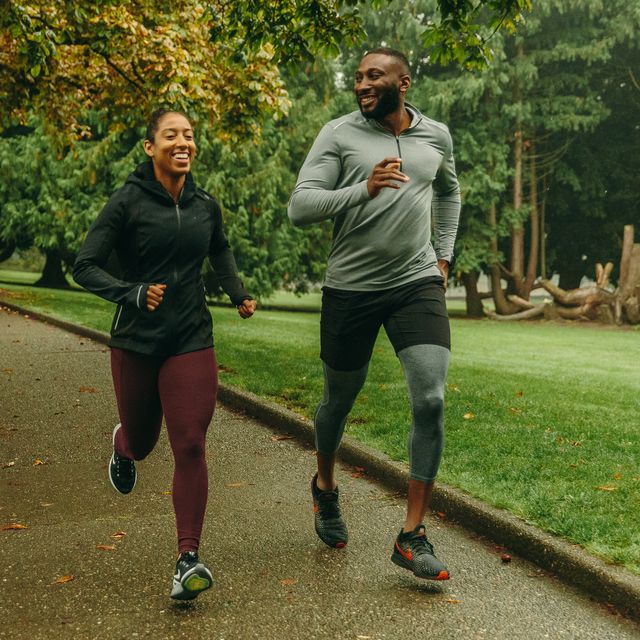
There’s a reason running remains a popular form of cardio: The health benefits — mental and physical — are numerous. Even medical professionals are fans: “Running is how I find peace and relaxation. Although I’ve done multiple marathons, it’s really on the everyday runs that I see the most benefits emotionally, and it just keeps me healthy overall,” says Bryant Walrod, MD, a sports medicine specialist at the Ohio State University Wexner Medical Center in Columbus.

If you’re not running currently and you want to get started, Dr. Walrod emphasizes the importance of integrating the sport gradually into your exercise routine to build up stamina and strength — and avoid injury.

And if you have any health conditions, particularly heart issues, talk to your doctor before starting, Walrod adds. Learn what health perks running offers and why it’s a worthwhile addition to your fitness routine.


1. Running Builds Cardiovascular Fitness
One of running’s biggest claims to fame is its ability to boost aerobic or cardiovascular fitness, which the Cleveland Clinic defines as how well your heart and lungs can supply the oxygen you need to exercise at medium to high intensity

Aerobic fitness is often measured by VO2 max, or the maximum amount of oxygen a person can utilize during intense exercise.[2] A higher VO2 max typically is a sign of greater fitness.
Running, like other forms of cardio, forces your heart and lungs to deliver more oxygen to the bloodstream and muscles than they do at rest. The more you run, the more efficient your heart and lungs become.[3] This not only helps you run longer and faster but also makes everyday aerobic activities like walking and climbing stairs feel more effortless.

2. Running Improves Heart Health
Building your cardiovascular fitness can pay off in heart health benefits.

For example, a systematic review and meta-analysis of 22 trials found that running can help lower blood pressure in people with chronic high blood pressure (hypertension). However, the greatest results were from running at a moderate pace and lower volume (total running time or mileage)
In addition, a large-scale study that used data collected from more 55,000 adults over the course of 15 years found that runners were 45 percent less likely to die from a heart attack or stroke than nonrunners. Even running fewer than six miles per week was enough to lower risk, compared with not running.[5]
3. Running Improves Mood and Energy Levels
Running is a proven mood- and energy-booster.

For example, one study found that jogging for only 15 minutes (approximately one to two miles) improved perceived energy levels in undergraduate students and was more effective than meditation, deep breathing, progressive muscle relaxation, or guided imagery.
Exercise releases feel-good brain chemicals known as endorphins.[7] Endorphins act as natural painkillers, create a general feeling of well-being, and are most effectively released by moderate-intensity aerobic exercise like running, notes Harvard Health.

Some runners are even lucky enough to experience a “runner’s high,” a relatively rare sensation often described as a feeling of bliss. Research suggests this sensation happens when the endocannabinoid system (which helps regulate pain perception, memory, mood, appetite, and many other bodily systems) gets triggered.[9]
“When you run, it stimulates the release of endocannabinoids, which are your body’s natural pain relief medications, and that’s what gives you that ‘runner’s high’ feeling,” says Jordan Tishler, MD, an internal medicine physician at Brigham and Women’s Hospital in Boston, Massachusetts, who specializes in endocannabinoid medicine.

4. Running Maintains Healthy Bones
Running is a high-impact activity, which means there’s a moment when both feet leave the ground. That tends to generate concern about whether running places too much stress on your joints and bones, especially in older runners.

But research suggests that usually the opposite is true.

For example, a study published in 2021 in JBMR Plus assessed bone mineral density scans taken 10 years apart in sprinters between the ages of 40 and 85. Researchers found that those who ran regularly maintained — and even improved — their bone density over time. Meanwhile, those who reduced their training saw a decline in bone health.
The stress of running spurs your bones to adapt and become stronger, explains the study’s lead author Tuuli Suominen, PhD, a researcher at the University of Jyväskylä in Finland.

However, it’s important to start with less intense exercises and progress your running slowly, she adds. If you ramp up your mileage and intensity too quickly, your bones may not adapt quickly enough, increasing injury risk. Research suggests that incorporating strength training with foam rolling into your routine can help lower injury risk, too.

5. Running May Lower Chronic Disease Risk
As a form of physical activity, running can help prevent chronic conditions like obesity, type 2 diabetes, heart disease, and many types of cancer, per the Centers for Disease Control and Prevention.
Research in more than 1,000 adults showed that runners had a 28 percent lower risk of developing type 2 diabetes during an average follow-up period of 6.5 years, compared with nonrunners.
“Regular running can also be useful for weight management,” Walrod adds. “That often creates a beneficial ripple effect on your health.”

6. Running May Help You Live Longer
Running may prolong your life by improving your health and lowering your risk of chronic disease. In fact, research shows that runners generally have a 25 to 40 percent reduced risk of early death, compared with nonrunners. Moreover, runners tend to live three years longer than their nonrunning counterparts.

7. Running May Help With Weight Loss
Aerobic activities like running can burn many calories — between 240 and 336 in 30 minutes at a 5-miles-per-hour pace, per estimates from Harvard Health.[15] Boosting your intensity also boosts your calorie burn.
By increasing the number of calories you burn during the day, you may be able to create a calorie deficit for weight loss. But know that exercise is only part of the weight loss equation; dietary changes are needed, too.

For example, one study involving 538 new runners found that those who ran five kilometers (approximately 3.1 miles) per week without changing their diet had an average weight loss of 5.6 kilograms (approximately 12.3 pounds) over one year. Meanwhile, those who ran and made dietary changes lost roughly 9.4 kilograms (20.7 pounds).

Source: everydayhealth

Tips for Exercising When You’re Not in the Mood to Work Out

You’re too tired. It’s too cold outside. The gym is so far away. Your couch is calling you. We’ve all likely found excuses for not working out when we’re not in the mood.

Low motivation to work out — or just not being in the mood — is common and normal,” says Amanda Capritto, an ACE-certified personal trainer and nutrition coach at Trainer Academy, who is based in Miami, Florida. “Even as a fitness industry professional, I am rarely fueled by motivation alone.”

Relying on motivation to fuel any behavior change can indeed be a pitfall, adds Greg Chertok, a certified mental performance consultant in New York City who works with athletes and coaches of all levels on mental toughness training.

High performers don’t wait for motivation to strike. Rather, they identify actions that align with their values and commit to following through by creating routines that encourage them to do so, he says. “We’d all be pretty unimpressive exercisers, romantic partners, or professionals if we only did the right thing when we felt like it,” he says.

That’s not to say that motivation is useless or that working out should often feel like a drag.

Research shows that intrinsic motivation in particular — or the drive to do something simply because you like to and not for some far off and theoretical reward like a “bikini bod” — is key to adopting an exercise routine you can sustain for life.[1]
“Doing something for the sake of the task itself instead of boosting your ego works best,” says Sam Ryan, a master’s-level sports and performance psychologist with the Clontarf Rugby Club in Dublin.

But given that, yes, there are going to be days you don’t feel like sticking with an exercise routine, so here’s how experts say you can overcome a meh attitude and get moving.

1. Dig Into Your Why — Particularly the Immediate Payoff
It bears repeating: If you’re only exercising because you think you should, you’ll rarely be in the mood.

But paying attention to the tangible and more immediate gains (like a lifted mood or feeling a sense of accomplishment or more energized) compared with the longer-term ones (even the very valid ones, like longevity, disease prevention, and weight management) can mean that you’ll be motivated to work out more often than not because you’ll likely reap those benefits during the exercise itself, some research suggests.[2]
“Switch from an achievement goal to an experiential goal, so that it feels like something that is going to nurture you and your day, as opposed to something that feels like a chore,” recommends Michelle Segar, PhD, a sustainable change researcher at the University of Michigan in Ann Arbor.

2. Ask Yourself, Why Not?
Saying you’re not in the mood to work out is often a guise for procrastination, Chertok says. So ask yourself: What am I trying to avoid? Physical discomfort? Judgment from others at the gym? The necessity of showering once it’s over?

Once you can name the real reason you’re not in the mood, you can address it. Maybe you remind yourself that progress only comes from discomfort, plan to wear something that makes you feel more confident, or simply invest in dry shampoo.

If your reason is more basic — you’re not well rested, fueled, or hydrated — address those needs and see how you feel, suggests Domenic Angelino, an ACE-certified personal trainer at Trainer Academy, who is based in North Providence, Rhode Island. “If you feel low energy, try having a healthy carb-dense snack to increase your blood glucose and prime yourself to feel more motivated to work out,” he says.

3. Prioritize Workouts You Genuinely Enjoy
If someone is struggling to come to class consistently, it’s often because that particular workout doesn’t light them up, explains Cesar Vasquez, a NASM-certified personal trainer and Les Mills national presenter based in Somerset, New Jersey. “I may direct them to something they enjoy,” he says, like a dance class instead of strength training or a mindfulness-centered workout like yoga instead of high-intensity interval training.

4. Focus on Just Getting Started
Identify the first few steps to get started with your workout and commit to them. Maybe you tie your shoes, do a few jumping jacks, or start the car.

“Play music from your favorite playlist or have a pre-workout snack that you enjoy,” Ryan says. “Build a habit that signals your body into action, staving off the necessity of calling upon willpower.”

Once you get started, you’ll likely want to continue. “The reality is that motivation often comes after starting something, not before,” Chertok says.

5. But Don’t Push Through
There’s a caveat, though: Building up motivation by taking small steps is different than forcing yourself to complete a workout you dread. “Going against what you want to do will lead to you developing more negative associations with being active,” Angelino says. “That’s not ideal and will not serve you long term.”

Even knowing that you’ll feel better after your workout isn’t the best fuel if you dislike the workout itself, adds Dr. Segar, the author of The Joy Choice: How to Finally Achieve Lasting Changes in Eating and Exercise. “Pushing through it is a recipe to develop a greater disdain for exercise.”

So if you’ve started your workout and still aren’t motivated to continue, try a different activity or call it a day. “Give yourself grace and and really honor and be aware of the fact that you’re making a conscious choice because of what you’re feeling today,” Segar says.

6. Switch It Up
Angelino recommends creating or following two basic workouts: one for the upper body and one for the lower body. Then make four versions of each workout: a long and short one you can do at the gym and a long and short one you can do at home.

“Instead of forcing yourself to adhere to working out in a specific way, it’s much more effective to tailor the way you work out to how you’re feeling and your life circumstances,” Angelino says.

You can also create options for exercise by cycling through various workouts you enjoy or feel in the mood to do on a certain day. Maybe you dance in your living room instead of going for a jog, or you take a long walk in the neighborhood if you miss a fitness class. “When you say, ‘I’m not in the mood,’ what you’re saying is, ‘I don’t feel like doing what I plan to do,’” Segar says. “It’s all about getting creative and rethinking what the options are.”

7. Skip the Workout and Move More Instead
If you don’t feel like doing an official workout that requires a change of clothes and a list of exercises, you can still reap the benefits of physical activity by incorporating more movement into your day. Walk to take care of the errands on your list or do a few burpees in your living room, says ACSM-certified personal trainer Jorge Cruise, the author of the forthcoming book The Hunger Eraser. “It’s a matter of doing something that’s realistic, whether it’s eight minutes or two hours,” he says.

Research shows that as little as two minutes of vigorous physical activity at a time — totaling just 19 minutes a week — is linked to a decreased risk of cancer, heart disease, and early death. More movement is linked with more benefits to an extent (more on this below), but the bottom line is that some is better than none

Source: everydayhealth

How to Get Started With Walking Workouts: An Absolute Beginner’s Guide

You’re ready to start walking on a regular basis. So, is it as simple as getting out there and putting one foot in front of the other? While that is the heart of it, there are nuances about starting a walking program that will help ensure you do so safely and in a way that maximizes the benefits you get out of it.

“One of the great things about walking as a form of exercise is that almost everybody already walks. It’s just a matter of increasing the amount, and in most cases, the speed of your walking,” says walking coach Dave McGovern, 15-time US Champion racewalker and author of The Complete Guide to Competitive Walking, about making the common practice a workout.

Whether you’re physically active already or just starting out with exercise, here’s what you need to know about starting a walking program, including setting that right pace, safety must-knows, and putting together a training plan that’s right for you.
Pick Your Walking Pace
Every step you take counts toward your physical activity, says Amanda Paluch, PhD, an assistant professor at the University of Massachusetts Amherst, who researches physical activity, epidemiology, and kinesiology. However, increasing your walking pace and duration is how you can use walking to really boost your fitness.

She recommends aiming for moderate intensity, sometimes also called low-intensity steady-state (LISS) exercise: “This would be an effort where your heart rate and breathing is slightly elevated. A good gauge is you can talk, but cannot sing.”
One of the best things about walking workouts is that you don’t need any fancy clothing or gear. That said, shoes are one of the most important elements. “Although you won’t need special shoes for easier walks versus for more brisk walking, you should look for a low-heeled running shoe,” McGovern says.

A lower heeled shoe helps with your forward momentum. “Think racing flats rather than thicker-soled trainers,” he says. If you have knee or back issues, however, you may need more cushion than a low-heeled shoe will provide.If you have questions about what shoes are best for you, Carrie Boyle, a walking coach with the virtual walking program 99 Walks and an NASM-certified personal trainer, recommends going to your local running store, where an associate can assess your gait and help fit you with the appropriate shoe.

As for what clothes to wear: There’s no need to buy a new walking outfit — unless of course you want to because it feels inspiring or motivating, Boyle says. Otherwise, shop your closet, pulling items that fit the criteria of being comfortable, breathable, and able to be layered, depending on the weather. She likes cotton fabrics for their breathability.

Tips for Staying Safe While Walking
Staying safe while on your walks is important. Here are five safety checks to make before every walk, according to McGovern:

Leave your earbuds at home. “I realize a lot of walkers like to listen to music while training,” McGovern says, adding that he discourages this when walking outdoors. “Being aware of your surroundings is critical to staying safe when training outdoors.” It’s distracting and more difficult to hear approaching cars, animals, or people, he says. If you rely on music for your motivation, consider using one earbud instead of two.

Walk in the correct direction. You’re not a car, you’re a person, so walk facing traffic, says McGovern.
Carry ID. McGovern likes the Road iD, a metal tag that you can customize to include info like your name, city, state, in-case-of-emergency contacts, allergies, and medical history, and attach to a band or a fitness tracker. Or slip your driver’s license in a running belt, secure pocket, or in your cellphone case.

Make your habits known. If someone’s home, mention the walking route you’re taking, and in general share with friends and family the routes you tend to walk. And, McGovern adds: “Avoid unpopulated areas, deserted streets, overgrown trails, and unlit streets.
Make yourself visible. If you walk before dawn or during or after dusk, wear reflective clothing or shoes, says McGovern. You can also purchase light-up vests and armbands for high visibility. At any time of day, it’s a good idea to wear bright colors so you’re more visible to drivers, bikers, and others on your routes.

Source: everydayhealth

Tricks to Help You Start Working Out

You know you should exercise. But how do you keep up your dedication to the gym or a training routine when your schedule is overloaded with a million other things, from work to household responsibilities to travel and other social engagements? Or how do you push yourself to start working out if it’s been years (or basically forever) since you last had a good self-imposed sweat?

Understanding the big picture of why physical activity is critical for your physical and mental well-being is a good place to start.

Ever experience that classic “runner’s high”? It’s not just in your head. Exercising releases hormones called endorphins that promote feelings of euphoria and help you focus.
Working out also improves cardiovascular health and sleep quality, both of which improve your energy levels throughout the day and reduce the risk of a variety of other diseases, such as type 2 diabetes and some cancers.

Moving your body more is also associated with a reduced risk of depression.[3] And exercise may help people who already have depression.
Pretty impressive. But the truth is, you may have all this knowledge and still find yourself wanting to hit the snooze button when it comes to those early morning workouts — or your couch if you’re an afternoon exerciser.

That’s why intentional, strategic habit changes, based on your personality, schedule, likes, and dislikes can make all the difference in whether or not you stick to your workout plans or get thrown off track.

We asked sports psychologists and other fitness pros to share their top tips for finding a workout you’ll actually enjoy and sticking with it for the long haul. Here’s what they say:

1. Find a Workout You Enjoy and Look Forward To
Just because all your friends love spinning or CrossFit doesn’t mean you do, too. Finding a workout you genuinely like will make you that much more likely to stick with it over time, says Kristen Dieffenbach, PhD, executive director of the Center of Applied Coaching and Sport Sciences for West Virginia University in Morgantown.

“Begin by really thinking about the things you enjoy — nature, group settings, playing sports, quiet time, or being challenged. Then look for activities that meet one or more of your criteria,” she says.

Consider your personality, too, suggests Dr. Dieffenbach. Do you like competition? Then working out with a friend who challenges you or taking a group fitness class may be helpful. Do you like immediately seeing the results of your efforts? Then workouts associated with an app that tracks your progress, like Strava for running and cycling, may be very motivating.

2. Pick Workouts That You’re Good At
“We know from motivation research that humans have a desire to be ‘good’ at something,” says Brandonn S. Harris, PhD, program director and professor of sport and exercise psychology at Georgia Southern University School of Health and Kinesiology in Statesboro. “So I’d encourage people to not only seek out things they find pleasurable and enjoyable, but also things that they’re confident doing or would like to become more proficient in.”

That doesn’t mean the activity will necessarily be easy for you. Unless it’s an activity recovery day, every workout should push you in terms of endurance or muscle building. But, there’s no need to struggle through a Zumba class if you hate memorizing the combinations.

On the other hand, if you excelled in sports as a kid, joining an adult basketball or soccer league may be a huge confidence booster (as well as deliver all the health and fitness benefits of a workout). Or if there’s a physical skill you’ve always wanted to be able to do, such as self-defense, you may love suiting up for kickboxing or jiu-jitsu.

3. Put It on Your Calendar as You Would Any Other Appointment
Once you have a workout (or even a few) that you want to try, give yourself a slow and steady break-in period. “Don’t start off by trying to make radical changes,” says Dieffenbach. “Schedule a few days a week and put it on your calendar like any other important appointment.”

Giving yourself a workout range for the week can also be helpful. “If you set a goal of working out five days and only go four times, that’s often perceived as a failure,” says Dr. Harris. “Instead, give yourself a more realistic range, like three to five days a week.”4. Break Up Your Workout Into Shorter Spurts
Are you skipping your workout because you don’t have time for the full routine? Break up your physical activity into a few shorter 10-minute spurts throughout the day. “Taking shorter walks throughout the day, as opposed to one longer walk that takes 30 minutes to an hour, has been shown to have very similar benefits,” says Harris.

5. Set Mini-Goals
Many people set huge outcome-oriented goals, such as losing 20 pounds, getting six-pack abs, or running a marathon. While these can be motivating, they don’t tell you what you need to do right now, and in the days and weeks to come, to accomplish them. To stay motivated, ensure you don’t get bored, and keep progressing at a steady rate, setting smaller “process goals” can help.

“If an outcome goal is the top step of a staircase, process goals are like the individual steps you’d take to get there,” says Harris.

Try increasing the length of your run by a half mile every week or increasing the duration of your plank by 15 seconds every three days. If you’re unsure how to safely increase the intensity of your exercise and set realistic process goals, consider enlisting the help of a certified personal trainer.

The feeling that you’ve accomplished something each week (in addition to over a longer period of time) can help motivate you to make each and every workout along the way count.

6. Work Out in the Morning and Get It Out of the Way
Some people find it easier to stick to their workout plans if they do it in the morning, getting it out of the way before an excuse comes up to skip it, says Harris. By the end of the day, you’re often really tired, random things have come up, and there’s always something else to do instead of exercise.

More benefits of a.m. exercise: Morning workouts have been shown to lower blood pressure among older adults and people who are overweight or obese.[6] Plus, people often feel more energized throughout the day after exercising, Harris says. And that means an early-in-the-day workout could help you tackle your responsibilities (like work or chores) with greater ease, he adds.
Of course, there’s no one-size-fits-all approach to exercise. So if morning workouts feel like torture, try a few different times of day and see what works best for your body.

Source: everydayhealth

Rapper sentenced to death in Iran after supporting Mahsa Amini protests, says lawyer

0

An Iranian rapper jailed for supporting anti-government protests has been sentenced to death, his lawyer has said. Toomaj Salehi in his songs supported protests in 2022 that erupted over the death of Mahsa Amini, a woman who died in police custody after allegedly wearing an “improper” hijab. One of Mr Salehi’s lawyers, Amir Raesian, said the rapper would appeal against the issuing of a death sentence. Iranian authorities have not commented.

Mr Salehi was first arrested in October 2022 after making public statements in support of protests and he was charged with numerous offences. He was sentenced in July 2023 to six years and three months prison after avoiding a death sentence due to a Supreme Court ruling.

But in January, Isfahan’s Revolutionary Court accused Mr Salehi of new charges in addition to those he had been acquitted of earlier, his lawyer said.Speaking to newspaper Sharq on Wednesday, Mr Raesian said the revolutionary court ignored Supreme Court’s ruling for clemency and instead issued new charges before handing down “the harshest punishment”.

The charges he was found guilty of included corruption on earth on several charges, “Baghi” [armed rebellion], assembly and collusion, propaganda against the ruling establishment and inciting riot.

Mr Salehi has 20 days to appeal against the ruling.

Before the 2022 protests, established artist Mr Salehi was already an outspoken and figure and was banned from performing in concerts, instead posting his songs on social media.

Through his songs and lyrics he boldly criticized the leadership of Iran for their corruption and crackdowns on dissent.

Following his 2023 sentencing to six years in prison, he was released on bail in November of the same year but rearrested a few days later on charges of sharing “false claims without evidence”, an apparent reference to a video message he posted claiming to have been “tortured” and pressured by intelligence ministry agents.

Recently Iranian police have intensified their presence on the streets to enforce Islamist dress codes for women.

The verdict by an Islamic revolutionary court appears to be a calculated message signalling the regime’s strength and determination to suppress any form of dissent.

Source: BBC

In other news – Makhadzi bags her first acting gig

Makhadzi bags her first acting gig as she announces that she will join the upcoming e.TV series Isiphetho. She will be appearing on eTV’s daily drama series Isiphetho on an episode that airs on Thursdays at 18h30.

Makhadzi

The singer, real name Ndivhudzannyi Ralivhona will be acting as herself. Taking to social media, Makhadzi shared the exciting news and shared a trailer of the TV drama. Read more