Home Blog Page 87

Actor Mpho Sebeng’s final work in 016 FM

0

Renowned South African actor Mpho Sebeng is set to captivate audiences one last time with his final performance in the highly anticipated film 016 FM. Known for his compelling roles and dynamic acting skills, Sebeng’s departure from the screen marks the end of an era for his fans and the entertainment industry.

Final Performance: 016 FM will be Mpho Sebeng’s last project, adding significant emotional weight to the film. His fans eagerly await this performance, anticipating a memorable and impactful farewell.

Plot and Role: While specific details about Sebeng’s role in 016 FM remain under wraps, the film promises to be a gripping drama set against the backdrop of a community radio station. Sebeng’s character is expected to play a pivotal role in the unfolding narrative.

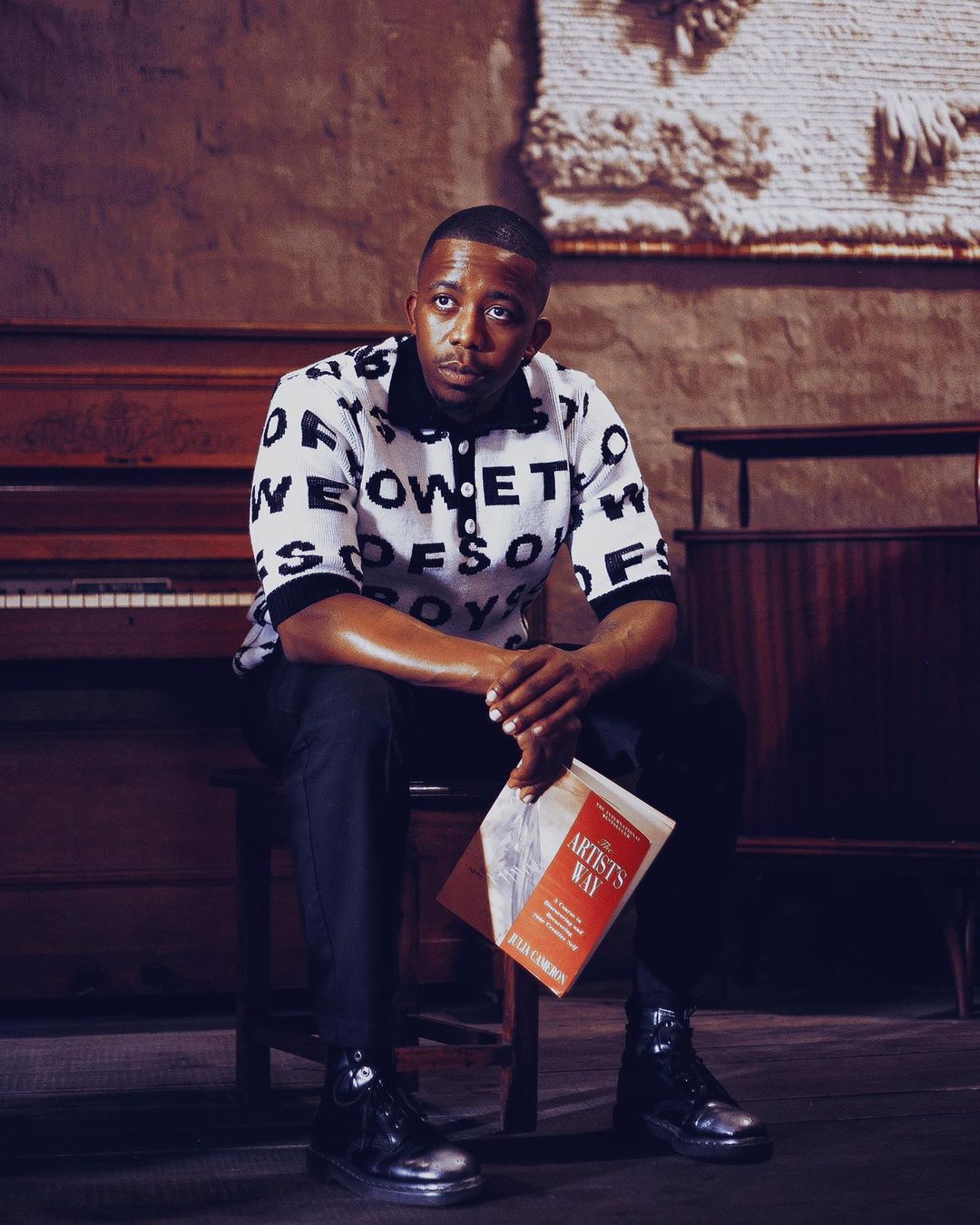
Mpho Sebeng

Career Legacy: Sebeng has enjoyed a prolific career, known for his versatility and depth in portraying diverse characters. His work has left a lasting impression on the South African entertainment industry, earning him acclaim and a dedicated fan base.

Versatile Actor: Over the years, Sebeng has demonstrated his ability to tackle a wide range of genres and characters. From intense dramas to light-hearted comedies, his performances have consistently garnered praise.

Acclaimed Roles: Sebeng’s notable works include roles in popular TV shows and films such as The Forgotten Kingdom and The Number. His nuanced performances have earned him a reputation as one of South Africa’s most talented actors.

Industry Impact: Beyond his on-screen presence, Sebeng has contributed to the industry through mentorship and support of emerging talent. His dedication to his craft and to fostering growth within the industry is widely respected.

Mpho Sebeng

Emotional Farewell: Fans and colleagues alike are preparing for an emotional farewell as Sebeng bids goodbye to his acting career with 016 FM. The film is expected to showcase his talent one last time, providing a fitting end to his illustrious career.

Director’s Vision: The film’s director has praised Sebeng’s dedication and professionalism, highlighting the actor’s significant contribution to the project. 016 FM promises to be a tribute to Sebeng’s artistry and impact on the industry.

Mpho Sebeng

In a heartfelt message to his fans, Sebeng said, “Working on 016 FM has been a profound experience and the perfect project to close this chapter of my life. I am grateful for all the support and love from my fans throughout my career. I look forward to new adventures and am excited for what the future holds.

Mpho Sebeng’s final work in 016 FM is poised to be a landmark event in South African cinema. As fans and the industry prepare to bid farewell to this remarkable actor, his legacy of excellence, versatility, and dedication will continue to inspire future generations of performers. Sebeng’s departure marks the end of a significant era, but his contributions to the arts will be remembered and celebrated for years to come.

In other news – Former Miss Universe Zozibini Tunzi wins the Glamour Emerging Style Icon

Zozibini Tunzi, the former Miss Universe and South African beauty queen, is beaming with pride and excitement after winning the prestigious Emerging Style Icon Award.

Zozibini Tunzi

Known for her grace, beauty, and distinctive fashion sense, Tunzi continues to make significant strides in the fashion world, adding this accolade to her growing list of achievements. Read more

Actress Nomvelo Makhanya launches music career as a DJ

0

Nomvelo Makhanya, widely recognized for her role in the popular South African soap opera Scandal!, has recently opened up about her exciting new venture into the world of DJing. Following in the footsteps of fellow actresses Pearl Thusi and Thulisile Phongolo, Makhanya is making waves as she transitions from acting to DJing, bringing her unique flair to the music scene.

New Beginnings: After her successful stint on Scandal!, Nomvelo Makhanya is embracing a new challenge by stepping into the DJ booth. She has expressed her enthusiasm for music and the creative freedom that DJing offers, allowing her to connect with audiences in a different but equally impactful way.

Nomvelo Makhanya

Industry Transition: Joining the ranks of Pearl Thusi and Thulisile Phongolo, who have also made successful transitions from acting to DJing, Makhanya is part of a growing trend where celebrities diversify their talents. This move showcases her versatility and willingness to explore new artistic avenues.

Nomvelo Makhanya’s Journey:

Acting Career: Makhanya’s portrayal of Lindiwe Ngema on Scandal! earned her a loyal fan base and critical acclaim. Her acting skills and on-screen presence made her a household name in South Africa.

Passion for Music: Despite her success in acting, Makhanya has always had a deep passion for music. Her transition to DJing is a natural progression, driven by her love for the craft and desire to engage with her fans through a different medium.

Nomvelo Makhanya

Public Reception: Since announcing her new career path, Makhanya has received overwhelming support from fans and industry peers. Her followers are excited to see her embrace this new role and are eager to experience her DJ sets.

In a recent interview, Nomvelo Makhanya shared her excitement about her new journey: “I’ve always loved music, and DJing gives me a chance to share that love with others. It’s a new chapter for me, and I’m thrilled to see where this path takes me.”

Inspiration and Influence:

Breaking Barriers: Makhanya’s move into DJing is inspiring for many, as it demonstrates the importance of pursuing one’s passions and not being confined to a single career path. Her journey encourages others to explore their interests and talents fearlessly.

Female Empowerment: By joining the ranks of successful female DJs, Makhanya contributes to the growing representation of women in the DJing industry. Her success paves the way for other aspiring female DJs and highlights the diverse opportunities available in the entertainment industry.

Nomvelo Makhanya

Embracing New Horizons
Nomvelo Makhanya’s shift from acting to DJing is a testament to her dynamic talent and passion for music. As she embarks on this new chapter, her fans eagerly await to see how she will blend her artistic skills with her newfound role as a DJ. With her vibrant personality and dedication, Makhanya is set to make a significant impact in the music scene, just as she did in the world of acting.

In other news – Jennifer Lopez and Ben Affleck divorce speculations dashed after long drama

Jennifer Lopez and Ben Affleck were hit with divorce rumours after they failed to make a joint appearance for 47 days; however, an eyewitness has dashed all the speculations.

Jennifer Lopez

During a recent TV appearance, Justin Sylvester revealed he has seen JLo and the Gone Girl star on a dinner date, looking very “happy” and all loved up. Read more 

DJ Zinhle gifts her husband Murdah Bongz a new car on his 37th birthday

0

DJ Zinhle made her husband Murdah Bongz emotional on his 37th birthday. The former Black Motion member whose real name is Bongani Mohosana gave followers a glimpse into his birthday celebration.


DJ Zinhle
Friends and family members were at the event to celebrate him, which turned out to be an emotional day for the music star.

DJ Zinhle and Murdah Bongz

In the video, Morda passionately hugged his wife who gifted him a luxurious car; he also broke into tears before exploring his new whip.

Bongani appreciated people who made his day special and further expressed love to his wife, Zinhle.

“7H4NK YÖU FÖR 4LL 7H3 B1R7HD4Y W15H35 ????????❤️1 LÖV3 MY W1F3,” he captioned post.

Source: News365

Bafana Bafana 3-1 Zimbabwe

0

Bafana Bafana reignited their 2026 FIFA World Cup qualification campaign with a decisive 3-1 victory against Zimbabwe at the Free State Stadium in Bloemfontein on Tuesday night.

Following a draw against Nigeria a few days earlier, South Africa needed a strong performance to get back on track.

The match started with a bang as Bafana Bafana’s Iqraam Rayners capitalized on a defensive error by Zimbabwe, scoring the opening goal within the first 30 seconds. However, Zimbabwe quickly equalized when Tawanda Chirewa took advantage of a quick throw-in, catching the South African defense off guard.

Despite Bafana Bafana’s efforts to regain the lead, Zimbabwe’s defense remained resolute. Warriors’ goalkeeper Godfrey Chitsumba made several key saves, keeping the score level at 1-1 as the teams headed into halftime.

Both teams made strategic changes in the second half to push for a win. South African coach Hugo Broos substituted Elias Mokwana for Thapelo Morena, aiming to exploit Zimbabwe’s right flank. The Mamelodi Sundowns right-back had an immediate impact, increasing pressure on the visitors. Just nine minutes after entering the field, Morena scored from close range after a mistake by Chitsumba.

Bafana Bafana’s Oswin Appollis delivered a crucial cross that Chitsumba failed to clear, allowing Morena to capitalize and put South Africa ahead. Broos’ team managed the game well from that point, and in the 76th minute, Morena added his second goal. A precise 40-yard pass from Mokoena found Morena, who skillfully rounded Chitsumba to secure a 3-1 victory.

With this win, South Africa tops Group C alongside Benin and Rwanda. Zimbabwe remains at the bottom of the group, while Bafana Bafana is joint first with two wins from four matches.

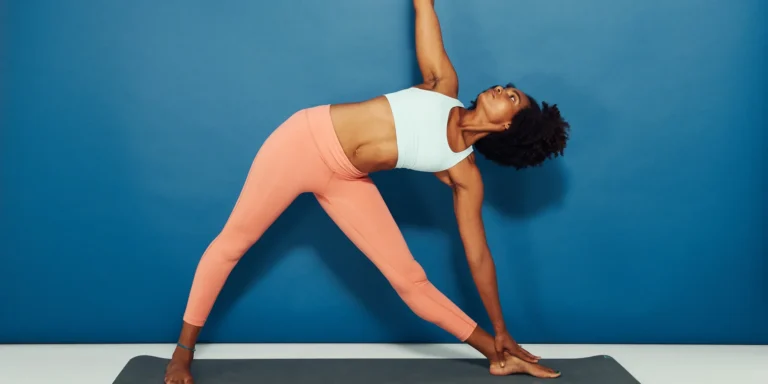
Yoga Poses for Beginners

Sit cross-legged on a yoga mat with your hands on your knees, palms up. Keep your spine as straight as you can. Push the bones you’re sitting on down into the floor — your “sit bones” in yoga-speak. Close your eyes and inhale.

“This is a great pose for beginners to use as an assessment,” says Gwen Lawrence, yoga coach for a number of sports teams, athletes, and celebrities. “Just sitting on the floor gives you a perfect way to see and feel the external rotation on the legs.” This pose also boosts back flexibility and can help relieve stress.There are many great reasons to add yoga to your exercise routine.

Yoga improves muscle tone, flexibility, and balance, and it helps you relax and reduce stress, thanks in part to its signature pranayama breathing. Bonus: Research has also shown that yogic practices reduce stress, anxiety, depression, and chronic pain; help you sleep better; and enhance overall well-being and quality of life.

Ready to give it a try? Here are eight beginner yoga poses — called “asanas” — recommended by yoga instructors.
Get on your mat on all fours with your hands directly below your shoulders and your knees directly below your hips. Distribute your weight equally between your hands and spread your fingers wide. Inhale and round your back, arching it up as you lower your chin to your chest; feel the stretch from your neck to your tailbone, like a cat. As you exhale, lower your back down all the way to a scoop shape as you lift your head, and tilt it back.

“Cat-Cow stretches and awakens the spine, which helps ease back pain,” says Leah Cullis, a certified yoga teacher and co-author of Power Yoga: Strength, Sweat, and Spirit. “It also opens and increases flexibility of the whole spine, neck, chest, and shoulders. I recommend repeating 5 to 10 times or more.

Start by standing straight for this pose. Bring your hands together in the prayer position and lift them over your head. Balance on your right leg. Bend your left knee out to the left side and press your left foot to the inner thigh of your right leg, or even just your ankle. (To avoid injury, though, never press your foot into your knee.) Hold for 30 seconds. Switch legs and repeat.

“This pose helps to stretch the body long, from the heels to the tips of your fingers,” says Shea Vaughn, wellness and fitness expert and author of Breakthrough: The 5 Living Principles to Defeat Stress, Look Great, and Find Total Well-Being (and mom of actor Vince Vaughn). It will also help you improve your balance.In Downward-Facing Dog, your body forms an inverted V-shape. Start by placing both hands on the mat in front of you, palms down; your hands should be slightly in front of your shoulders. Place your knees on the ground directly under your hips. Exhale as you lift your knees off the ground and lift your buttocks and hips toward the ceiling. Push the top of your thighs back and stretch your heels down toward the floor. Keep your head down between your upper arms and in line with them, not hanging down. If you notice your lower back rounding, try bending your knees to help lengthen your back.

“Downward-Facing Dog calms the nervous system, works on overall flexibility, decompresses the spine, tones the arms, sculpts the legs, and opens the shoulders,” says Cullis. The pose is often held for five breaths between sides, or longer for more strength-building benefits. Lengthen from your wrists to your hips on your inhales, and deepen your roots from your hips to your heels with each exhale, suggests Cullis.

From Downward-Facing Dog, simply bend your knees and lower your butt to your heels as you bring your chest toward the floor over your knees. Lower your shoulders and head to the floor. Place your arms along your sides, palms down, or you can support your head by folding your arms under your forehead. Breathe and relax for as long as you need to.

“Child’s Pose is one of the most healing yoga poses, and it’s my favorite of them all,” says Cullis. “It awakens the connection between the breath and body and sends calming energy through all the muscles. It’s an opportunity to get grounded, go inward, and to come out of your busy mind and into your body by awakening your breath from the inside out.” Child’s Pose is a great way to take a break and relax during your yoga practice, or anytime you feel tired or overwhelmed.

Source: everydayhealth

Quick Fixes for Sore Muscles

Sore muscles are one of the less pleasant side effects of exercise. Depending on the type and intensity of the workout, muscle soreness after a workout can range from barely noticeable to extremely painful.
Why Do Our Muscles Get Sore in the First Place?

Muscle soreness after exercise (also referred to as delayed-onset muscle soreness, or DOMS) signals that you caused damage to your muscle tissue, according to the American College of Sports Medicine (ACSM). When this damage, or micro-tearing, happens, your body initiates the repair process by triggering inflammation at the injured site, says Shawn Arent, PhD, CSCS, a professor and the chair in the department of exercise science at the University of South Carolina in Columbia and the director of its sports science lab.

Fluid accumulates in the muscles, putting extra pressure on the damaged areas, leading to that familiar sensation of tightness and pain that typically begins to develop 12 to 24 hours after your workout, Dr. Arent says.

While you create a little bit of damage every time you exercise, certain types of workouts are notorious for higher levels of damage and — by extension — soreness. In particular, any workout that’s new to you, more intense than usual, or involves a lot of eccentric movements will likely cause more damage and muscle soreness than other types of workouts.

It’s the eccentric, or lengthening muscle, contractions that are causing the soreness, says Jan Schroeder, PhD, the chair and a professor in the department of kinesiology at California State University in Long Beach. Think: walking or jogging down a hill, or the lowering motion during a biceps curl or chest press. Your muscles typically sustain greater damage during these types of movements than during concentric exercises (ones where your muscle is working as it is shortening). Muscles face a lot of stress during both types of movement, but fewer muscle fibers get recruited to carry out eccentric contractions versus concentric ones (such as curling a dumbbell or pressing weight overhead), according to one review.

Some Muscle Soreness Is a Good Thing, but It Shouldn’t Last for Too Long
Torn, inflamed muscles sound bad — and we certainly want to minimize inflammation in our normal daily lives, because research has shown chronic inflammation contributes to many chronic diseases. But some degree of inflammation can be an important signal for muscle growth and repair, according to Arent. If you help your muscles recover from the damage, they’ll likely grow back bigger and stronger. “It’s not so much that we don’t want inflammation to occur, but we want to get it under control as soon as possible,” Arent says.

And you probably want the soreness to go away so you can get back to moving and living pain-free.

Keep in mind that you don’t have to be sore after a workout in order for it to be effective. Soreness means damage, and damage is fine in small doses, but you don’t have to create soreness-inducing damage every time you work out. “That shouldn’t be your goal,” Dr. Schroeder says. “You don’t have to be sore to know you had a good workout.”

Does Warming Up Lessen Post-Workout Muscle Soreness?
You may have heard that stretching can help prevent injury and soreness. But static stretching your muscles before you exercise is probably not a good idea. “I’m not a fan of stretching before you start training,” Arent says.

A 2021 review found that post-exercise stretching had no significant positive or negative effect on recovery compared to passive recovery (i.e., rest).

Some evidence suggests that a dynamic warmup immediately before a workout could reduce muscle soreness up to two days later, but the reduction in soreness seen in research has been very small.

1. During and After Your Workout: Hydrate
It might sound obvious, but staying hydrated is an important aspect of muscle recovery. Water keeps the fluids moving through your system, which eases inflammation, flushes out waste products, and delivers nutrients to your muscles, Arent says.

The trouble is, it can be tricky to know if and when you’re dehydrated, as you’ll probably reach dehydration before thirst hits, according to Schroeder.

According to one review, you should drink about 13 to 20 ounces (oz) of water about two hours before starting exercise. To maintain hydration, the researchers recommend drinking about 5 to 10 oz every 15 to 20 minutes of exercise. For workouts over 90 minutes, they recommend drinking some type of electrolyte beverage.

The color of your urine also provides a good indication of hydration: Medium or dark yellow signals dehydration, whereas pale yellow means you’re hydrated. Just be aware that taking vitamin supplements may cause your urine to look darker than usual. Who will be affected, and by what types of vitamin supplements? That’s hard to say. “Everybody’s different,” Schroeder says.

2. Immediately After Your Workout, Use a Foam Roller (Self-Myofascial Release) or Massage Gun
Self-myofascial release (SMR) is a technique used to release tension in muscles and connective tissues (foam rollers, lacrosse balls, and massage sticks are common SMR tools), helping to move the fluids that accumulate in the muscle after exercise.

One review found that foam rolling may help increase range of motion and reduce DOMS. Foam rolling, as well as other types of massage, increases circulation to deliver more nutrients and oxygen to the affected area, which helps reduce swelling and tenderness, Arent explains.

If you’re interested in trying a foam roller, look for a softer version to begin with. Firmer foam rollers allow you to apply more pressure, but they can be intense if you’re unaccustomed to them. Lacrosse balls can also be handy tools to keep around, as they’re ideal for smoothing out hard-to-reach spots, like the glutes, lats, calves, and the iliotibial (IT) bands, Arent notes. Just make sure you only use a roller on soft tissue and not directly on bones or joints, according to the ACSM.

Massage guns (also called “percussive massage treatment” or “vibration therapy”) are another popular tool to promote post-workout muscle recovery.

“Percussive self-massage devices work similarly to massage in general,” Arent says. These handheld machines deliver rapid vibrations that, when placed on your muscles, can help promote blood flow to that area. Many massage guns come with attachments of various shapes and sizes to better target different-sized muscle groups.

According to Leada Malek, DPT, CSCS, a board-certified sports specialist in San Francisco, few studies have examined the effectiveness of massage guns specifically, but massage guns may combine two elements that have been backed by science: conventional massage and vibration therapy. For example, research has found that both methods are equally effective in preventing DOMS.

If you’re interested in using a massage gun post-workout, Dr. Malek suggests finding an area that feels tight and lightly sweeping over the belly of the muscle. “Add pressure as tolerated, but not too aggressively,” she says. The Hospital for Special Surgery recommends doing three to five sweeps over one area at a time. Take care not to spend too long in one spot or you risk irritating the muscle.

Source: everydayhealth

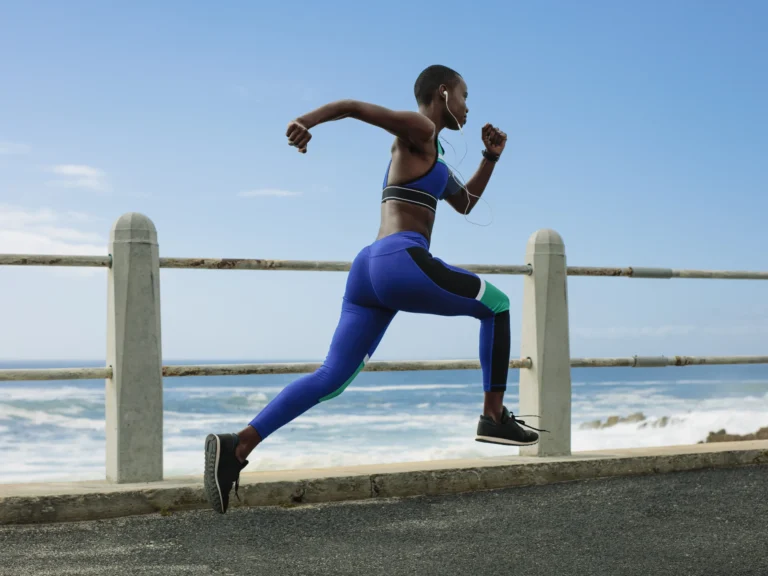
Best Strength Exercises for Runners

0

You may know that strength training is a great workout for your muscles and bones, but did you know it can also boost running performance?

Whether you use free weights, weight machines, resistance bands, or your body weight, resistance training creates strong, powerful muscles capable of producing more force with less effort. An advantage of this is an improved running economy, or how much energy you have to use to sustain your pace, per research. Or put more simply, more strength means better running performance.

In one review and meta-analysis, middle and long-distance runners saw significant improvements in running economy after strength training at least twice a week for 8 to 12 weeks. The strength routines varied between studies but included lifting heavy loads (85 percent of one-repetition maximum, or the maximum weight lifted for a single rep), low and moderate loads (40 to 70 percent of one-rep max), and performing bodyweight plyometric (jump) exercises.

Strength training also tends to help with running form, which can help safeguard your body against overuse injury in typical hot spots like the knee, shin, ankle, or foot.

“Strong muscles are crucial for promoting optimal balance during a run and help properly align the spine, pelvis, and lower body,” says Greg Westmoreland, MD, a board-certified orthopedic surgeon and sports medicine physician at Texas Orthopedics in Austin.

You’re less likely to overload your joints, muscles, and connective tissues — a common precursor to running injuries — when all your running muscles are strong and able to contribute their fair share of effort and your spine, pelvis, and lower body are properly stacked.

So, which muscles should you focus on? Brace yourself, because there are a lot of them.

According to Frankie Ruiz, chief running officer at Life Time and cofounder of the Life Time Miami Marathon, running engages the core (the muscles in your abdomen and lower back), hip flexors (the muscles in front of your hips), glutes (the meaty part of your buttocks), quads (the muscles in front of your thighs), and calves.
Targeting each of these muscles in a strength training routine can benefit your running. For example, strong glutes keep your knees from collapsing inward (known as knee valgus) during a run, helping stave off injury to the anterior cruciate ligament (ACL, a ligament in the knee joint), research finds.

Meanwhile, a study of 21 college athletes found that those who did three core-training sessions per week for eight weeks saw improvements in VO2 max (how much oxygen runners had available during exercise).

Ruiz recommends the following seven strength exercises for runners. Do these exercises before your run, after your run, or on a nonrunning day, Ruiz says. Perform as many repetitions of an exercise as possible with the correct form for one to two minutes. Then, immediately move on to the next exercise. Once you’ve completed all the exercises, return to the beginning and repeat the routine (two sets total). Do this routine at least twice a week on nonconsecutive days to target the muscles that support solid running technique.

1. Push-Up
Get on the floor on your hands and knees; stack your shoulders over your wrists and your hips over your knees. Step back with one foot and then the other so your legs are extended (straight) behind you and your feet are propped up on your toes. Engage your abdominal muscles by pulling your belly button in towards your spine.

To initiate a push-up, bend your elbows out to your sides at a 45-degree angle and lower the chest toward the floor. Touch your chest to the floor (if you can). Then, push your palms into the floor to straighten your elbows and return to the starting position.

Maintain a straight line from the crown of your head to your heels throughout the movement; don’t let your lower back sag or your glutes pop up. If floor push-ups are too challenging, perform the exercise with your knees on the ground or elevate your hands on a stable surface like a bench or chair.

2. Superman Back Extension
Lie flat on your stomach with your legs extended behind you and your arms reaching overhead. Rest your forehead and arms on the floor. Inhale deeply. On the exhale, lift your arms, chest, and legs off the ground simultaneously, keeping your hips pressed to the floor and neck in line with the spine. Squeeze your glutes and hold your arms, chest, and legs in the air for a breath or two before lowering them to the floor with control.

3. Lying Leg Raises
Lie on your back with your arms at your sides and legs extended. Press your lower back into the floor and touch your legs and feet together. Keeping your lower back pressed into the floor, squeeze your legs together and lift them several inches off the floor with your toes pointed. Engage your abdominals and, with your legs still squeezing together, lower them toward the floor. Stop when you feel the urge to lift your lower back off the floor. Then, lift your legs, trying not to tap your feet on the floor between repetitions.

4. Double-Leg Jumps With Jump Rope
Hold one handle of a jump rope in each hand and stand with feet hip-width apart, jump rope on the floor behind your feet. Stand tall and tuck your elbows close to your torso, arms bent about 45 degrees and hands angled slightly away from your hips. Rotate your wrists to bring the jump rope overhead and in front of your body. Just before the jump rope touches the floor, jump with both feet so the jump rope passes beneath. Land softly on the balls of your feet with a slight bend in the knees.

To make the exercise harder, jump with one leg at a time, keeping the other foot off the ground the whole time.

If you’re unsure whether the jump rope is the right length, the American Council on Exercise (ACE) suggests this trick to check: Stand in the middle of the jump rope and bring the handles to your armpits. If the handles reach higher than your armpits, cut or tie the rope so the handles touch your armpits. If the handles don’t reach your armpits, you need a longer jump rope.

5. Glute Bridge
Lie on your back with your arms down by your sides. Bend your knees and place both feet flat on the floor, hip-width apart. Your heels should be about six to eight inches away from your glutes and toes pointed forward. Engage your abdominals and squeeze your glutes to lift your hips toward the ceiling. Only lift your hips as high as you can without arching your back; your body should form a straight line from your knees to your hips to your shoulders. Squeeze your glutes in the top position for two seconds before slowly lowering the hips to the floor.

6. Calf Raises
Stand on the floor or on a stable step or bench next to a wall with feet hip-width apart, toes pointed forward. If you’re on a raised surface, carefully step back so your heels drop off the edge and you’re standing on the balls of your feet. Lightly place one or both hands on the wall for balance.

Raise both heels until you’re standing on your toes. Squeeze your calves and hold for one to two seconds before slowly lowering down. If you’re on a step or bench, lower your heels below the surface as far as you’re comfortably able for a greater range of motion. To make the exercise harder, perform it one leg at a time or hold a dumbbell in one hand.

7. Forward-to-Reverse Lunge
Stand with feet hip-width apart and place your hands on your hips (or clasp them in front of your chest). Brace your core and step the left foot forward, bending your knees to lower your hips so your shin and thigh form a 90 degree angle (or as close to 90 degrees as you can). Push through your left foot to return to the starting position. Then, step the left foot backward, bending your knees to lower your hips so your shin and thigh form a 90 degree angle (or as close to 90 degrees as you can). Repeat with the right leg and then continue alternating between the right and left side.

Source: everydayhealth
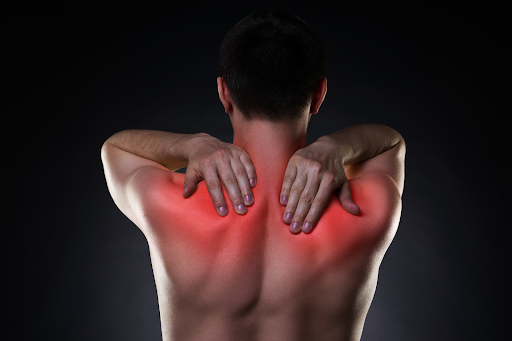
The Best Strength Exercises for Walkers

You might think of walking as just a lower-body exercise. That’s not necessarily the case, says Carrie Boyle, a walking coach with the Bridgehampton, New York–based virtual walking program 99 Walks and a National Academy of Sports Medicine–certified personal trainer. “We’re activating the entire body when walking.”

Your core, upper back, and shoulders support good posture, while your arms swing or pump at your sides. With each step, your glutes (buttocks) engage, and your calves, ankles, and feet keep you stable, Boyle explains. Those muscles work even harder if you walk uphill or add weight (by wearing a backpack or weighted vest), she adds.

Uphill walking also targets the quadriceps (the muscles in the front of your thighs), glutes, and calves more than walking on level ground does, research finds.

Walking is great exercise, and you can maximize benefits by pairing the activity with strength-based training, says James N. Robinson, MD, a primary sports medicine physician at the Hospital for Special Surgery in New York City. “In general, for good health you need full-body strength training, which will help you function better in day-to-day life,” he says.

In fact, research shows that combining a 10-week walking program with resistance training at home can improve muscle quality and size in older adults and enhance their ability to do everyday activities.

In addition, pairing walking with strength training may be a practical approach to maintaining a healthy weight. A study that included nearly 12,000 healthy adults of all ages found that those who met weekly recommendations for aerobic exercise (150 minutes of moderate-intensity activity, such as walking) and resistance exercise (two full-body sessions) had the lowest risk of developing obesity, compared with those who didn’t meet either exercise marker.

When building a strength routine to complement walking, focus on targeting the muscles most used in your workouts, such as your glutes, quadriceps, hamstrings (the muscles in the back of your thighs), ankles, and feet.

Begin with 10 reps of each exercise, and build up to 15 as you become more advanced. Go through the sequence once to prepare your legs for a shorter walk or to squeeze in some strength training on a non-walking day.

Boyle recommends doing these movements at least twice weekly, but she adds that you can safely perform them more often because they are not high-intensity. She also advises supplementing this routine with additional body-weight or weighted exercises for your upper and lower body. To meet the physical activity. recommendations of the Centers for Disease Control and Prevention, here’s what you need to do: at least two full-body strength sessions per week, targeting all the major muscle groups (legs, hips, back, chest, abdomen, shoulders, and arms) and working the muscles to the point of fatigue.

If you’ve never tried strength training, seeking guidance from a personal trainer can be helpful. They can ensure that you’re doing appropriate exercises for your needs and abilities and that you are using the proper form. Not only will this guard against injury — it will also help you get the most from each exercise.

Check with your doctor before trying these exercises. “It’s always advised to talk to your doctor when making lifestyle changes, especially if you have any underlying health conditions or are working through or recovering from an illness or injury,” Boyle says. In general, the advice to “start low and go slow” holds. Your body should adapt to the stress of strength exercises over time.

Lie on your right side with your right arm under your head for support. Place your left hand on the ground in front of your chest to help your torso stay upright during the exercise.
With your legs extended and stacked, bend your knees to a 45-degree angle, bringing your feet behind you.
Keeping your ankles together, lift your top (left) knee and squeeze the muscles on the side of your top hip.
Slowly lower your knee. Repeat.
Once you’ve finished all the reps, switch to the other side.
Exercise 2: Glute Bridges
As the name implies, this exercise targets your glutes, a large muscle group in the hips that helps power walking movements.

Lie on your back and place your arms down by your sides.
Bend your knees to bring both feet about six inches from the glutes, feet flat on the floor.
Lift your hips toward the ceiling and squeeze your glutes at the top.
Pause briefly, and then lower your hips to the floor with control. Repeat.
Exercise 3: Banded Side Steps
“Performing side-to-side movements [like this one] activates muscles that kick in when you slip on ice or have to work around more technical terrain,” says Boyle.

Place a mini resistance band (a small closed-loop rubber band used to add resistance to exercises) around your ankles or above your knees.
Stand with feet hip-width apart or slightly narrower.
Bend your knees slightly and step your right foot to the right so your feet are wider than shoulder-width apart.
Follow with the left foot so your feet are hip-width apart again.
Take another step to the right with your right foot. Continue until you’ve completed all the reps in one direction. Then switch directions.

Source:  everydayhealth
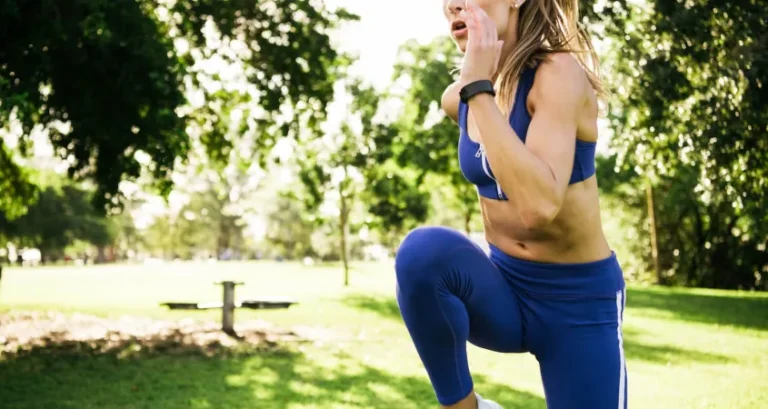
Health Benefits of Running

There’s a reason running remains a popular form of cardio: The health benefits — mental and physical — are numerous.

Even medical professionals are fans: “Running is how I find peace and relaxation. Although I’ve done multiple marathons, it’s really on the everyday runs that I see the most benefits emotionally, and it just keeps me healthy overall,” says Bryant Walrod, MD, a sports medicine specialist at the Ohio State University Wexner Medical Center in Columbus.

If you’re not running currently and you want to get started, Dr. Walrod emphasizes the importance of integrating the sport gradually into your exercise routine to build up stamina and strength — and avoid injury.

And if you have any health conditions, particularly heart issues, talk to your doctor before starting, Walrod adds. Learn what health perks running offers and why it’s a worthwhile addition to your fitness routine.


Running Builds Cardiovascular Fitness
One of running’s biggest claims to fame is its ability to boost aerobic or cardiovascular fitness, which the Cleveland Clinic defines as how well your heart and lungs can supply the oxygen you need to exercise at medium to high intensity. Aerobic fitness is often measured by VO2 max, or the maximum amount of oxygen a person can utilize during intense exercise.

A higher VO2 max typically is a sign of greater fitness.
Running, like other forms of cardio, forces your heart and lungs to deliver more oxygen to the bloodstream and muscles than they do at rest. The more you run, the more efficient your heart and lungs become.[3] This not only helps you run longer and faster but also makes everyday aerobic activities like walking and climbing stairs feel more effortless.


For example, a systematic review and meta-analysis of 22 trials found that running can help lower blood pressure in people with chronic high blood pressure (hypertension). However, the greatest results were from running at a moderate pace and lower volume (total running time or mileage)
In addition, a large-scale study that used data collected from more 55,000 adults over the course of 15 years found that runners were 45 percent less likely to die from a heart attack or stroke than nonrunners. Even running fewer than six miles per week was enough to lower risk, compared with not running.

Source: everydayhealth
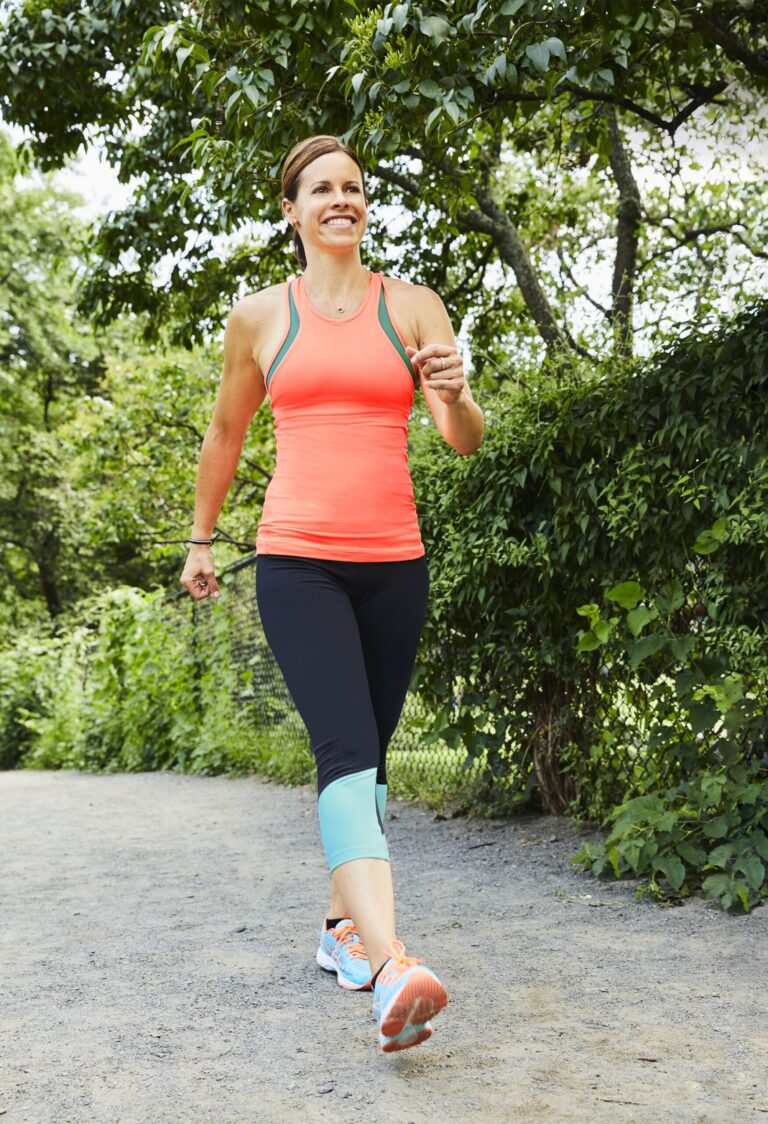
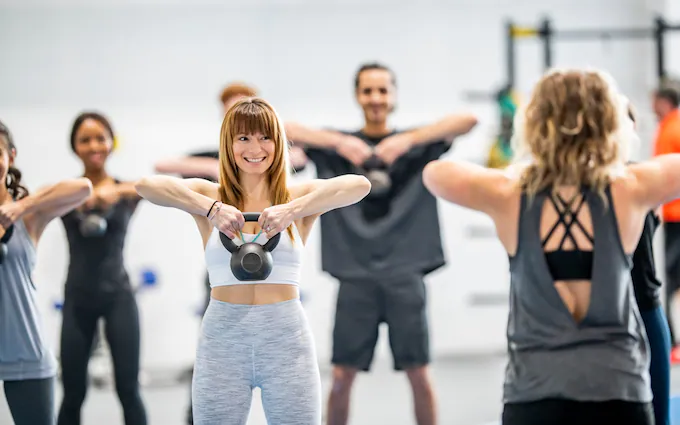
Tips for Exercising When You’re Not in the Mood to Work Out

You’re too tired. It’s too cold outside. The gym is so far away. Your couch is calling you. We’ve all likely found excuses for not working out when we’re not in the mood.

“Low motivation to work out — or just not being in the mood — is common and normal,” says Amanda Capritto, an ACE-certified personal trainer and nutrition coach at Trainer Academy, who is based in Miami, Florida. “Even as a fitness industry professional, I am rarely fueled by motivation alone.”

Relying on motivation to fuel any behavior change can indeed be a pitfall, adds Greg Chertok, a certified mental performance consultant in New York City who works with athletes and coaches of all levels on mental toughness training.

High performers don’t wait for motivation to strike. Rather, they identify actions that align with their values and commit to following through by creating routines that encourage them to do so, he says. “We’d all be pretty unimpressive exercisers, romantic partners, or professionals if we only did the right thing when we felt like it,” he says.

That’s not to say that motivation is useless or that working out should often feel like a drag.

Research shows that intrinsic motivation in particular — or the drive to do something simply because you like to and not for some far off and theoretical reward like a “bikini bod” — is key to adopting an exercise routine you can sustain for life.[1]
“Doing something for the sake of the task itself instead of boosting your ego works best,” says Sam Ryan, a master’s-level sports and performance psychologist with the Clontarf Rugby Club in Dublin.

But given that, yes, there are going to be days you don’t feel like sticking with an exercise routine, so here’s how experts say you can overcome a meh attitude and get moving.

It bears repeating: If you’re only exercising because you think you should, you’ll rarely be in the mood.

But paying attention to the tangible and more immediate gains (like a lifted mood or feeling a sense of accomplishment or more energized) compared with the longer-term ones (even the very valid ones, like longevity, disease prevention, and weight management) can mean that you’ll be motivated to work out more often than not because you’ll likely reap those benefits during the exercise itself, some research suggests.[2]
“Switch from an achievement goal to an experiential goal, so that it feels like something that is going to nurture you and your day, as opposed to something that feels like a chore,” recommends Michelle Segar, PhD, a sustainable change researcher at the University of Michigan in Ann Arbor.

Saying you’re not in the mood to work out is often a guise for procrastination, Chertok says. So ask yourself: What am I trying to avoid? Physical discomfort? Judgment from others at the gym? The necessity of showering once it’s over?

Once you can name the real reason you’re not in the mood, you can address it. Maybe you remind yourself that progress only comes from discomfort, plan to wear something that makes you feel more confident, or simply invest in dry shampoo.

If your reason is more basic — you’re not well rested, fueled, or hydrated — address those needs and see how you feel, suggests Domenic Angelino, an ACE-certified personal trainer at Trainer Academy, who is based in North Providence, Rhode Island. “If you feel low energy, try having a healthy carb-dense snack to increase your blood glucose and prime yourself to feel more motivated to work out,” he says.

Source: everydayhealth