Home Blog Page 365

Shauwn Mkhize Enjoys Flo’s 3rd birthday

0

Shauwn Mkhize celebrates her granddaughter, Flo on her 3rd birthday.

It’s been a back-to-back celebration in the businesswoman’s home.

Taking to Instagram on Tuesday, the star shared photos of the birthday celebrant and captioned them with loving words.

“Three Years of Baby Flo. My princess turned three today. I’ve been truly blessed with a sweet, caring, and kind granddaughter. She truly is the ???????????????????? of my life. We are bonded by her infectious smile and boundless energy! May the Lord protect you, may you learn new things every day, and may your life be filled with love, happiness, and success. Happy Birthday My Princess. Grandma Loves You,” she wrote.

Flo

Flo

Flo

Flo

Source – News365

In Other News-DJ Hlo Partners With New Wine Brand Le’Maz

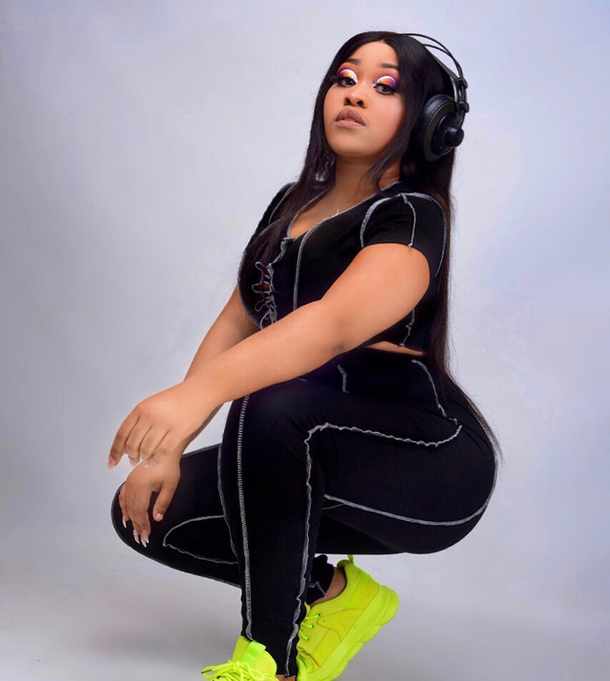
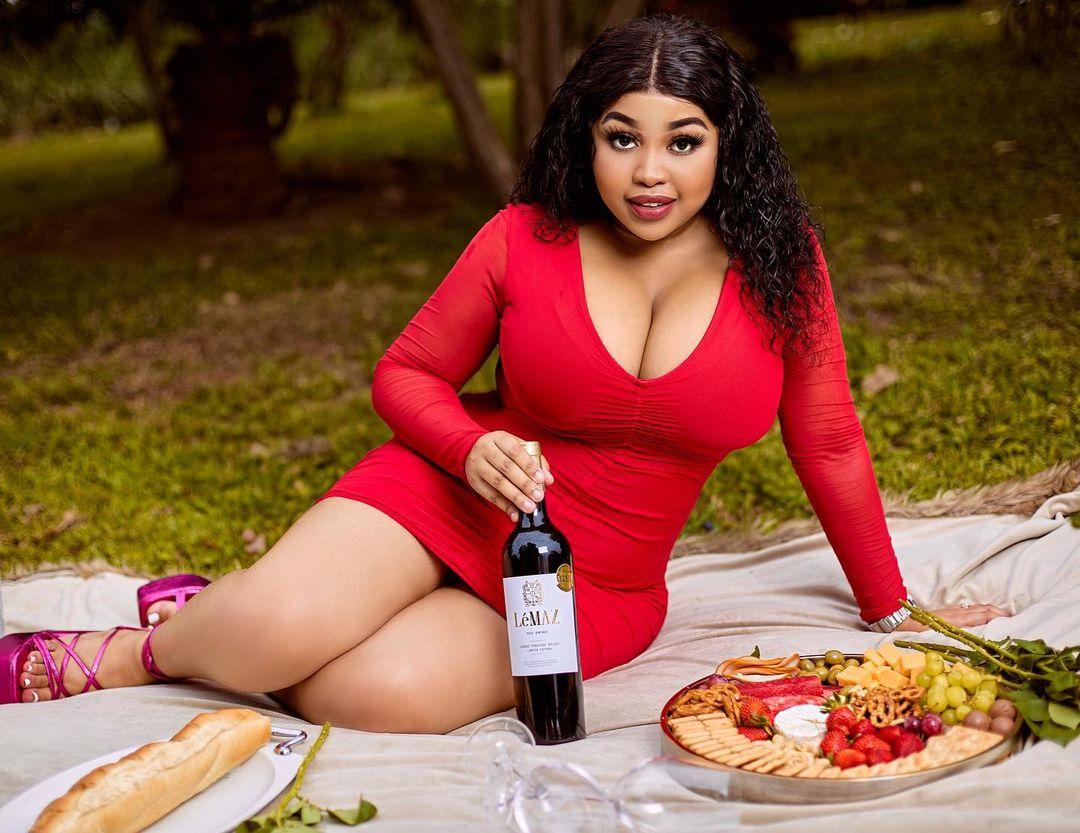
Hlosiwe Mthalane, popularly known as DJ Hlo signs a deal with a new wine brand Le’Maz.

DJ Hlo

The DJ appears to be securing the bag despite being trolled and cyber bullied over winning Song of the Year two years ago. Learn more

DJ Hlo Partners With New Wine Brand Le’Maz

0

Hlosiwe Mthalane, popularly known as DJ Hlo signs a deal with a new wine brand Le’Maz.

The DJ appears to be securing the bag despite being trolled and cyber bullied over winning Song of the Year two years ago.

DJ Hlo

Hlo is the brand ambassador of the wine brand and she’s kicked off the promotion of the wine on her social media account…

“I’m very excited about this deal because it shows that brands are recognizing my work and my influence as an artist,” said an excited DJ Hlo.

DJ Hlo

“I have signed a one-year contract which will be renewed based on my performance. It is very important for artists to always find other revenue streams apart from doing music.”

According to Sunday World, it is believed that the DJ scored around half a million rands annually for the wine deal bagged.

Dj HloSource-Fakazanews

In Other News- Lerato Kganyago speaks on why she will continue visiting 12 On Hillel Villa

South African media personality Lerato Kganyago is determined to continue supporting her husband’s businesses regardless of naysayers.

Lerato Kganyago

Mzansi saw Lerato venture into the hotel and restaurant business after her husband, Thami Ndlela, gifted her the 12 On Hillel Villa and Spa on Valentine’s Day in 2022. Learn more

Faith Nketsi’s husband passes out after release from jail due to heavy drinking

0

Nzuzo Njilo allegedly gets drunk to stupor hours after being released from jail on bail of R30 000. According to Sunday World, the businessman, his wife Faith Nketsi and friends partied up a storm at the weekend by club hopping at Sandton establishments including club Booth and businessman Edwin Sodi’s joint LIV in Sandton.
Njilo passed out at the club’s management offices after consuming lots of alcohol.

Nzuzo Njilo

“Faith’s man was at Liv on Sunday. He ordered a ton of Don Julio and champagne. They left at around 3am, but when they left Njilo had passed out in the office,” an employee at the club revealed.

Faith Nketsi

A friend of the businessman said: “He was just happy. He obviously drank too much. Faith left him at the club and some of our friends left early but he stayed out of trouble and was held in the office because he was just drunk, not rowdy.

Faith Nketsi and Nzuzo Njilo

A Liv Club representative who only identified himself as Fanele said Njilo was not held in the office but was with his friends inside the club for most of the time. No one locked him in the office. He was in his section with his wife having a good time … We don’t know what time he left,” Fanele said

In other news – Shauwn Mkhize Is Still Legally Married to Sbu Mpisane

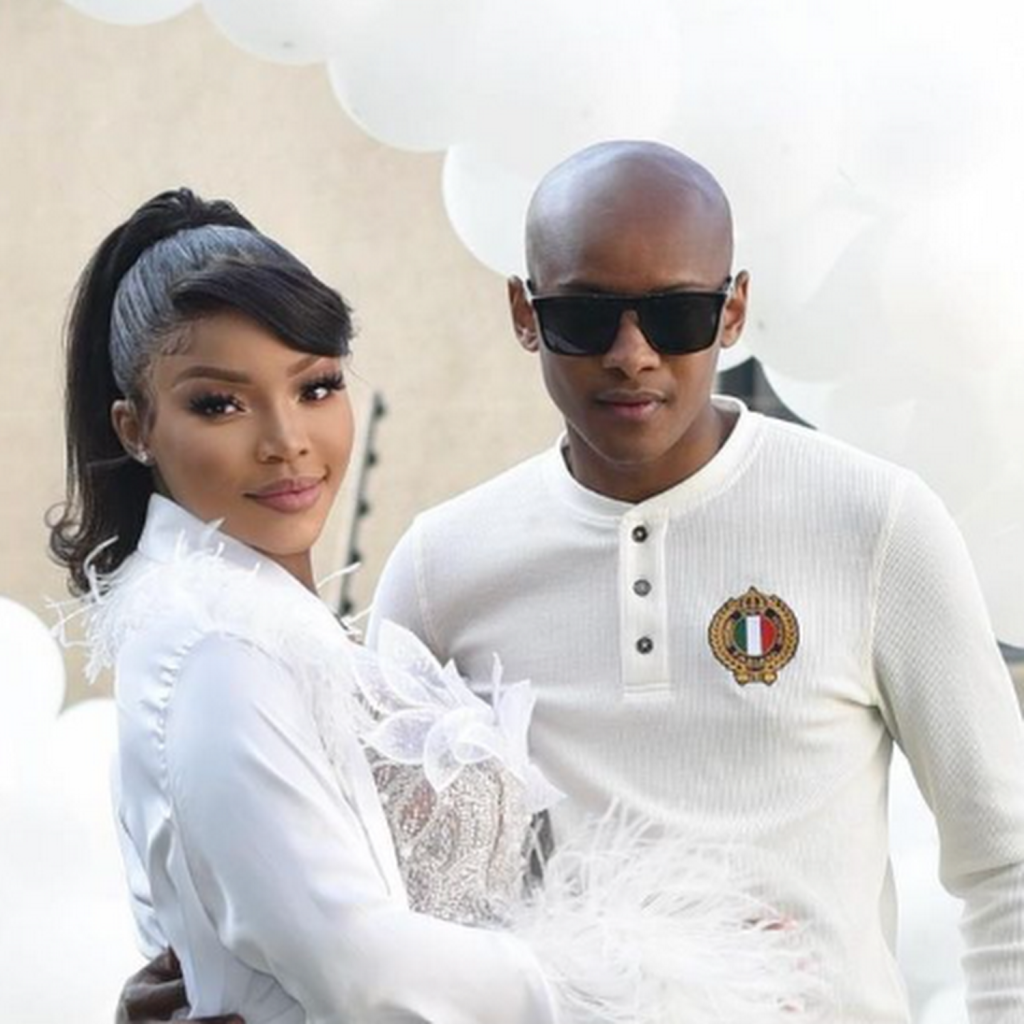
Shauwn Mkhize reportedly bears the name Mpisane despite announcing a split from Sbu Mpisane years ago.

Shauwn Mkhize’s impressive car

The businesswoman changed her surname to Mkhize after leaving her husband, but it’s revealed that the two are still legally married. Learn more

Top Chest Exercises for a Strong Upper Body

The Chest muscles could be considered a defining part of strength anatomy. They are involved in actions such as squeezing a set of loppers to cut a tree branch and pushing a door open. They are also the primary muscles referenced when debating upper body strength (“How much can you bench, bro?”).

For bodybuilders and those interested in general muscular aesthetics, the chest muscles are the defining part of muscle mass. Powerlifters rely on them for the bench press to score the greatest lift.

But these muscles are also incredibly important from a functional standpoint because they support the movement of the arms.

A number of studies examining perceived attractiveness found that a low waist-to-chest ratio was rated as the most attractive physical feature in males (1 Trusted Source). This is when a person has a narrower waist and a broader chest.

But gender-specific beauty standards aside, everyone can benefit from strengthening the chest muscles — whether your goal is to have sculpted pecs or simply to be able to play Twister with your kids on the living room floor.

What are the muscles of the chest?

There are three primary muscles that make up the chest:

  • pectoralis major
  • pectoralis minor
  • serratus anterior

A lesser-known muscle in the chest is called the subclavius. It is a smaller accessory muscle primarily involved in respiration (breathing) (2Trusted Source).

The pectoralis major is a unique muscle because it has two heads — the clavicular head and the sternocostal head. These are antagonistic to each other, which means that as one contracts, the other relaxes.

The clavicular head flexes the humerus, or upper arm bone, by raising your arm in front of you. It also adducts the humerus — which means it brings the arm inward toward the body’s midline — and assists in the internal rotation of the same bone.

The sternocostal head, on the other hand, brings the arm down from a forward or flexed position. It’s also involved in movements such as horizontal adduction (as if you were a bear-hugging someone) and internal rotation of the humerus.

The pectoralis minor’s job is to stabilize the shoulder blade by pulling it forward and down against the rib cage — an action known as the protraction of the shoulder blade. It also assists with shoulder stability and respiration.

The serratus anterior has a sawlike origination on the outside front of the first through eighth ribs and ends on the medial border of the shoulder blade (closest to the spine). It pulls the shoulder blade around the ribs to prevent scapular winging, providing stability to the shoulder during pushing movements.

How should you eat if chest definition is your goal?

Protein is what muscles are made of. They are the building blocks of muscle — so, the more you consume (to an extent), the greater the ability to build muscle (called muscle protein synthesis). In contrast, there is a typical process that occurs at the same time, called muscle protein breakdown.

General recommendations to reduce body fat include eating a diet rich in fruits and vegetables, whole grains, and a variety of protein sources. If you are unsure of how to do this safely, consult a dietitian for guidance.

When you consume a greater amount of protein, you tip the scale to muscle protein synthesis. This causes muscles to grow bigger. The current American Dietetic Association recommendation for most individuals is .8 grams of protein per kilogram (kg) of body weight (4).

However, in a recent literature review, the recommendation for those engaging in resistance training for muscle growth was 1.6–2.2 g/kg of body weight per day. In addition, protein-rich meals should be spaced 3–5 hours apart (5 Trusted Source).

So, a 150-pound (68-kg) person who exercises regularly and is aiming for muscular hypertrophy would need to consume between 109–150 grams of protein per day.

The research also suggests consuming high-quality protein, such as whey and casein. These aid in appetite

“Muscle definition” is a challenging term. You may ask yourself, “What does that really mean?”

Well, muscles have to increase in size to be able to see their shape. This is called hypertrophy, and it involves progressively stressing the muscles past their resting state to induce growth. It occurs when the amount of protein used to build muscle exceeds the amount of protein breakdown that occurs (3 Trusted Source).

However, you also need to decrease body fat to be able to see muscle definition. For people with breasts, it will likely be difficult to see much muscular definition in the chest.

Still, if muscle definition is your goal, you’ll need to work the chest muscles for hypertrophy but also decrease calories to see your muscles better. This will likely involve increasing calorie burn through aerobic exercise and managing your diet.

8 best chest exercises for strength and function

1. Incline push up

Equipment required: none

This is a good warm-up to prepare the chest for work. Research has shown that a dynamic warmup is helpful in preventing injury prior to training. Lower resistance movements related to those you are about to perform prepare the muscles for work (6Trusted Source).

  1. Start with your hands on the wall or a countertop height surface. Walk your feet back so that your body makes roughly a 45-degree angle with the floor.
  2. Keep your body straight and your spine neutral, and lower your chest to the surface you’re leaning against.
  3. Pause for a moment, then return to the start position.
  4. Make sure the resistance feels light enough to complete up to 20 repetitions. If you need to make it easier, step closer to your hands; to make it harder, step farther away.

2. Flat bench press

Equipment required: barbell or dumbbells, flat bench

  1. Lie on your back on the bench with your knees bent and feet flat on the floor. Grasp the barbell, with your thumb wrapped around the barbell and palms facing toward your feet. Press your arms straight toward the ceiling to lift the weight off the rack.
  2. Move the weight over the chest level.
  3. Bending your elbows down at a 45-degree angle, slowly lower the weight to your chest. Keep the bar approximately in line with your nipples.
  4. Pause for a moment, then press the weight back to the start position.
  5. Complete 3 sets of 8–12 repetitions.

Remember to keep your back flat and maintain good control of the weight. Also, keep your neck neutral to avoid excessive strain. It’s recommended to enlist the help of a spotter to ensure safety in this exercise.

3. Incline bench press

Equipment required: barbell or dumbbells, incline bench

  1. Lie on your back on the incline bench with your knees bent and feet flat on the floor. Grasp the barbell, with your thumb wrapped around the barbell and palms facing toward your feet. Press your arms straight toward the ceiling to lift the weight off the rack.
  2. Position the weight above your collarbone.
  3. Slowly lower the weight down to your chest, approximately in line with your mid-chest to just above your nipples.
  4. Pause, then press the weight back to the start position.
  5. Complete 3 sets of 8–12 repetitions.

As with the flat bench, remember to keep your back flat and your feet flat throughout the movement. And, again, it’s highly recommended that you do this exercise with someone spotting you.

4. Decline bench press

Equipment required: barbell or dumbbells, decline bench

  1. Lie on your back on the decline bench, with your knees bent and ankles secured behind the ankle rests. Grasp the barbell, with your thumb wrapped around the barbell and palms facing toward the feet. Press your arms straight to lift the weight off the rack.
  2. Position the weight above your lower chest to the upper abdomen region.
  3. Slowly bend your elbows to lower the weight down to your chest, approximately in line with your nipples.
  4. Pause, then press the weight back to the start position.
  5. Complete 3 sets of 8–12 repetitions.

5. Pushup

Equipment required: none

  1. Begin on your hands and knees, and step back into a high plank position. Your hands should be just wider than your shoulders, and your legs should be straight with your quads. Your hamstrings should be engaged and your spine neutral.
  2. Keeping your core tight, bend your elbows at a 45-degree angle to lower your chest toward the floor, maintaining a straight line from head to heel.
  3. Aim to go as low as you can without losing the support of your core or the alignment of your spine and pelvis.
  4. Press your chest away from the ground until your elbows are straight.
  5. Repeat, completing 8–12 repetitions. Do 3 sets.

Remember to keep your hips in line with your shoulders and ankles. If this is too challenging to perform on your feet, you may do this exercise on your knees.

If you wish to increase the challenge, you can do a decline pushup by placing your toes on an elevated surface such as a bench or table.

6. Cable crossover

Equipment required: cable machine or a resistance band

  1. Begin by standing away from a set of high pulley cable machines or a resistance band anchored overhead. Select light to moderate weight to add challenge but give you success.
  2. Grasp the hands (or the ends of the band) as you step forward with 1 foot. Keep enough tension and control on the handles to keep them in front of your chest.
  3. Contract your chest muscles and bring the handles down and forward across your body at roughly belly button level. The hands can cross to add emphasis to the serratus anterior muscles.
  4. Hold for a moment and then slowly return to the start. Then repeat.
  5. Do 3 sets of 8–12 repetitions.

7. Chest dip

Equipment required: dip station

  1. Stand facing the two parallel bars and grasp them, palms facing in.
  2. Straighten your elbows and press into your hands, lifting your body up so that it is in line with your hands.
  3. Then, bend your elbows and lower the chest toward your hands.
  4. Pause, then press back to the start position. Repeat.
  5. Do 3 sets of 8–12 repetitions.

8. Resistance band pullover

Equipment required: resistance band

  1. Anchor the band on something solid. Then, lie on your back with your head toward the anchor point. The band should be about 1–2 feet higher than your head.
  2. Grasp the band overhead so that there is slight tension on the band. Keep your thumbs pointing to the sky and your palms facing away from each other.
  3. Keeping your core tight and elbows straight, pull the band toward your hips. Slowly return to the starting position with control.
  4. Do 3 sets of 8–12 repetitions.
The bottom line

No matter, if your goal is a sculpted chest or a stronger upper body to help you lift kiddos into the air, working the chest muscles, can only enhance your quality of life. The above exercises, along with a high-protein diet, may help increase the size and strength of these muscles.

Perform a good warmup using a lower-stress movement, such as the incline push, to prepare your body for heavier loads and decrease the risk of injury. Be consistent and adjust the workload to what feels best for you. Soon, your planks will be longer and your press will be stronger — enjoy the journey.

Source-HealthLine

In Other News- Best Abs Exercises Of All Time To Crush Your Core, According To Trainers

There’s one thing at the center of many biggie fitness goals. If you want to squat heavy weights, improve your balance, hike up the stairs (or a mountain) with ease, run fast or long distances, and more, a strong core is key.

Abs Exercises

Your abdominal muscles play a major role in your ability to hit these and are so much more than a “six-pack. Learn more

Best Abs Exercises Of All Time To Crush Your Core, According To Trainers

There’s one thing at the center of many biggie fitness goals. If you want to squat heavy weights, improve your balance, hike up the stairs (or a mountain) with ease, run fast or long distances, and more, a strong core is key.

Your abdominal muscles play a major role in your ability to hit these and are so much more than a “six-pack.” (Seriously.) One surefire way to achieve that super strong core: abs exercises. That’s why Women’s Health rounded up the best-of-the-best abs movements just for you. (BTW here’s how to get visible abs if that’s a goal for ya.)

Before you can work your middle muscles with the best abs exercises of all time, you need to know a bit more about your core. You’ve probably heard the most about your rectus abdominis (a.k.a. your six-pack muscles, which run down the front of your stomach), but there’s also the transverse abdominis (deep abs muscles that wrap around your stomach) and obliques (otherwise known as your side abs, which help you rotate). A successful ab workout incorporates movements that use *all* of these major muscles—preferably at the same time, says Tatiana Firpo, CPT (because of efficiency!).

As you approach this workout from Firpo, focus on pulling your navel in toward your spine to keep your abs muscles engaged. If you’re doing a movement on your back, make sure to press your lower back into the floor so your abs do the work—not your spine. The 20 moves below are some of the best abs exercises you can do. No matter how you mix and match them, you’ll get an abs workout that’ll strengthen your core in no time.

Instructions: Choose three exercises from the list below. Perform each for 30 to 60 seconds, then immediately continue to your next move. Once you’ve completed all three, rest for 15 to 30 seconds, then repeat for 3 to 5 total rounds.

1. Glute Bridge March

How to:

  1. Lie on your back with your legs bent, heels under your knees, and feet flat on the floor.
  2. Extend your arms over your chest, palms facing.
  3. Raise your hips so your body forms a straight line from your shoulders to your knees.
  4. Brace your abs and lift your right knee over your hip, maintaining a 90-degree angle of that leg.
  5. Hold for a moment, then lower your right foot.
  6. Repeat with the left. That’s one rep.
  7. Continue alternating.

Good for: rectus abdominis, transverse abs

Why it rocks: Not only does this exercise fire up two sections of your abs, but it works your glutes, too, which will help with your overall stability.

2. Mountain Climbers

How to:

  1. Start in a plank position.
  2. Drive right knee toward the chest.
  3. Return to a plank.
  4. Quickly repeat with the left knee. That’s one rep.
  5. Continue alternating.

Good for: rectus abdominis

3. Plank With Knee Tap

How to:

  1. Get into a plank position, with your elbows stacked under your shoulders.
  2. Slowly and with control, lower both knees until they kiss the ground.
  3. Return to a plank position. That’s one rep.

Good for: rectus abdominis

Why it rocks: This slow movement helps you engage your core while also easing the strain on your neck by allowing your knees to periodically touch the ground.

4. Shoulder Tap And Jack

How to:

  1. Get into a plank position, with your hands stacked directly under your shoulders.
  2. To keep your core engaged, tap your right shoulder with your left hand as you jump your feet outward. Return to start.
  3. Repeat on the opposite side. That’s one rep.

Good for: obliques, transverse abs, rectus abdominis

Why it rocks: Not only does this work all aspects of your core, but the move also allows you to get your heart rate up for a boost of cardio.

5. Leg Lower

How to:

  1. Start lying on your back with arms on the mat and hands under your butt, palms down, legs raised at a 90-degree angle from the floor, and feet flexed.
  2. Slowly lower one leg as far down as possible without the back lifting off the ground.
  3. Return to start.
  4. Repeat with the other leg. That’s one rep.

Good for: transverse abs, rectus abdominis

Why it rocks: You’re able to fully engage your abs by moving slowly downward without the injury risk associated with faster movements.

6. Deadbug

How to:

  1. Start lying on your back with arms extended toward the ceiling in line with shoulders and legs bent to 90 degrees (knees above hips).
  2. Keep your low back pressed into the floor, engage your abs, and slowly extend and lower your right leg until your heel nearly touches floor and your left arm until your hand nearly touches the floor overhead at the same time.
  3. Pause, then return to the start and repeat on the opposite side. That’s one rep.
  4. Continue alternating.

Good for: rectus abdominis, obliques, transverse abs

Why it rocks: This slow-and-controlled move strengthens and stabilizes (good for posture and easing low-back pain) without the threat of neck strain.

7. V-Up

How to:

  1. Start lying on your back with legs extended and arms by sides, both on the mat.
  2. In one movement, lift the upper body, arms, and legs, coming to balance on the tailbone, forming a “V” shape with the body.
  3. Lower back down. That’s one rep.

Good for: rectus abdominis

Why it rocks: Because it involves lifting your arms and legs, this difficult move gets your heart rate up while pushing your core strength to its limit.

8. Side Plank

How to:

  1. Start lying on the side with your right forearm flat on the floor, your elbow under your shoulder, and both legs extended. The body should form a straight line from head to feet, which is either stacked or staggered.
  2. Engage your core and lift your hips up.
  3. Hold for 30 seconds before repeating on the other side.

Good for: obliques, transverse abs, rectus abdominis

Why it rocks: By working your core, hips, and shoulders one side at a time, side planks help you avoid strength imbalances.

10. Hollow Body Hold

How to:

  1. Sit on a mat with legs bent. (For an extra challenge, place a yoga block between knees.)
  2. Squeeze legs together and engage abs to lift bent legs so calves are parallel to the floor.
  3. Lift head, neck, and shoulders to the floor.
  4. Pause and hold for 30 seconds or as long as possible with good form.

Good for: rectus abdominis, transverse abs, obliques

Why it rocks: This advanced move is a true test of core strength. You can up the challenge even more by adding ankle weights.

Source-WomensHealth

In Other News- 5 Best SARMs For Bulking 2023

It doesn’t matter who you are, anyone can bulk up and gain Muscle as long as they follow an effective workout program and make sure they eat enough calories and protein.

However, these gains can be slow, especially after the first month or two of training. Because of this, many people are turning to supplements to help them pack on lean muscle mass, whether this is to improve their sporting performance or just to get bigger and stronger. Learn more

5 Best SARMs For Bulking 2023

It doesn’t matter who you are, anyone can bulk up and gain Muscle as long as they follow an effective workout program and make sure they eat enough calories and protein. However, these gains can be slow, especially after the first month or two of training. Because of this, many people are turning to supplements to help them pack on lean muscle mass, whether this is to improve their sporting performance or just to get bigger and stronger.

Unfortunately, many trainees fall victim to supplements that promise a lot and deliver little in terms of muscle gain, or which come with bad side effects that easily outweigh their benefits. Some even turn to illegal and seriously dangerous methods such as anabolic steroids to help them pack on the pounds faster. Thankfully, we’ve evaluated all of the options and picked out the best SARMs for bulking so that you can experience some seriously rapid muscle growth without the side effects.

The 5 Best SARMs for Bulking

  • SARMs Bulking Stack: Best Overall Bulking and Performance Option
  • TESTOL 140: Best for Lean Gains and Fat Burning
  • IBUTA 677: Boosts Growth Hormone and Enhances Recovery
  • LIGAN 4033: Best for Hard and Heavy Training
  • OSTABULK: Best for Maintaining Balanced Vitamin, Mineral, and Hormone Levels

This incredible bulking stack includes four powerful SARMs supplements that work together to take your muscle gains to the next level. With OSTA 2866, LIGAN 4033, TESTOL 140, and IBUTA 677 all included, you can be sure that you’re reaping all of the benefits that these SARM supplements have to offer.

The effects of this stack don’t just include an incredible increase in the rate at which you can gain muscle, but also big increases in strength, endurance, and recovery. This means that you can train harder, longer, and more often, further compounding your muscle gains.

In order to truly appreciate just how much this stack can accelerate your progress and boost your results, we need to take a quick look at the benefits each individual supplement has to offer.

  • OSTA 2866: As well as increasing muscle gains, this supplement boosts ATP production, allowing you to squeeze out more reps, meaning more gains. It can also help you cut excess body fat.
  • LIGAN 4033: This supplement raises your natural testosterone levels, providing the ideal hormonal conditions for you to increase your lean muscle mass whilst gaining strength and keeping excess fat off. Increased testosterone levels can also lift your mood and provide you with a feeling of well-being that will benefit you both in and out of the gym.
  • TESTOL 140: The natural ingredients in this supplement boost testosterone and increase blood flow to your muscles, meaning faster recovery, better pumps, and increased muscle growth and vascularity.
  • IBUTA 677: Delivering natural increases in levels of human growth hormone and boosting focus, this supplement contributes to muscle growth in a way that rounds this stack out nicely. The growth hormone directly raises your muscle-building ability, and the increased focus allows you to stay in the zone during your workouts in order to get the best results. It also improves rates of recovery in the muscles and throughout the body.

As you can see, this stack consists of some of the best SARMs for bulking. Each has its own unique formulation and provides unique benefits, meaning that this stack delivers on all counts. When you take this SARMs supplement stack, you know you have the peak natural levels of both testosterone and growth hormone for recovery, muscle growth, and general well-being.

Since these muscle-building supplements are so powerful, it can be reassuring to know that you’re combining them in a way that is recommended by experts and that allows you to leverage the relative strengths of each one. This way you know you can truly push your lean muscle gains to the maximum without side effects or unnatural chemicals and pack on mass even if you’re naturally skinny and have struggled to gain weight in the past.

You’ll also be happy to know that buying this stack means getting a discount over buying the included supplements individually, making it a cost-effective option for accelerating your gains.

Key Benefits

  • Combines the best SARMs for bulking to push your muscle gains to the maximum
  • Offers substantial boosts in both testosterone and growth hormone levels
  • Improves strength and muscular endurance as well as mood and general health
  • Better value and more reliable than attempting to make your own stack

ESTOL 140 offers a safe and natural alternative to RAD-140, also known as Testosterone, considered to be one of the most powerful SARMs. TESTOL 140 provides a perfect substitute as one of the most powerful alternatives whilst avoiding the nasty side effects that RAD-140 can bring.

By using a combination of the most powerful natural ingredients, this mass-building supplement skyrockets your natural testosterone levels, putting you in a hormonal situation that’s ideal for massive gains in lean muscle, whilst enhancing your ability to burn body fat and build new muscle. All of this contributes to that cut and jacked look that many men are looking for. Simply looking at some of the ingredients in this product will easily show you just how serious it is.

Magnesium: This mineral plays a key role in muscle contraction and relaxation as well as creating the ATP energy used when you lift weights, meaning that it will allow you to lift harder and recover faster between sets for greater gains in the gym. It’s also scientifically proven to boost your natural testosterone levels.

Zinc Citrate: Zinc plays an essential role in protein synthesis, the process by which your body builds lean muscle tissue, and is required to maintain testosterone levels in your body. The citrate form is more easily absorbed and utilized than other forms such as zinc oxide, meaning you can make the most of its muscle-building benefits.

Vitamins D3 and B6: Both of these vitamins have been shown to have natural performance-enhancing effects and a positive influence on your ability to build lean muscle mass, with D3 also further raising free and total testosterone levels.

Fenugreek and KSM-66 Ashwagandha: These two herbal extracts are known for boosting levels of testosterone and other beneficial hormones naturally, raising your muscle-building potential and raising your performance in the gym and out of it.

Conjugated Linoleic Acid: Also known as CLA, this fatty acid is a powerful fat burner, allowing you to get shredded whilst freeing up more energy for muscle building.

With ingredients like this, you can be sure that TESTOL 140 will push your natural testosterone levels to the max, whilst getting you ripped by simultaneously helping you pack on the muscle and lose body fat. The improvements to your hormone balance can also manifest in improvements in mood and energy levels as well.

Key Benefits

  • Raises your free and total testosterone levels
  • Enhances strength and allows for more powerful muscle contractions
  • Directly impacts muscle cells and protein synthesis for increased growth potential
  • Powerful fat-burning effects allow you to lose fat whilst still gaining muscle

Source-NDTV

In Other News- Obesity Risk May Be Passed From Mothers to Daughters

Obesity is a common, serious and costly disease affecting nearly half of the adults and 20 percent of children in the United States. It costs an estimated $173 billion in medical care costs.

Obesity

People with obesity are at higher risk of developing diabetes, high blood pressure, heart issues, and many other conditions. Learn more

Obesity Risk May Be Passed From Mothers to Daughters

Obesity is a common, serious and costly disease affecting nearly half of the adults and 20 percent of children in the United States. It costs an estimated $173 billion in medical care costs. People with obesity are at higher risk of developing diabetes, high blood pressure, heart issues, and many other conditions.

“These findings highlight that girls born to mothers who have obesity or have high amounts of body fat may be at higher risk of gaining excess body fat themselves,” said Rebecca J. Moon, B.M., Ph.D., M.R.C.P.C.H., of the MRC Lifecourse Epidemiology Centre, University of Southampton in Southampton, U.K. “Further studies are needed to understand why this is happening, but our findings suggest that approaches to addressing body weight and composition should start very early in life, particularly in girls born to mothers with obesity and overweight.”

The researchers measured body fat and muscle in 240 children (9 years old or younger) and their parents in early childhood. They used this data to determine whether the body mass index (BMI) — a screening tool for overweight and obesity — and the amount of body fat and muscle in the child was related to that of their parents.

They found the girls had similar BMI and fat mass to their mothers, suggesting that girls born to mothers who have obesity or have high fat mass are at high risk of also developing obesity or overweight. The researchers did not find the same association between boys and their mothers or either girls or boys and their fathers.

The other authors of this study are Stefania D’Angelo of the University of Southampton; Christopher R. Holroyd of the University Hospital Southampton NHS Foundation Trust in Southampton, U.K.; Sarah R. Crozier of the University of Southampton and the National Institute for Health and Care Research (NIHR) Applied Research Collaboration Wessex in Southampton, U.K.; Justin H. Davies of the University of Southampton, University Hospital Southampton NHS Foundation Trust; and Keith M. Godfrey, Cyrus Cooper and Nicholas C. Harvey of the MRC Lifecourse Epidemiology Centre, the University of Southampton, the NIHR Southampton Biomedical Research Centre, and the University Hospital Southampton NHS Foundation Trust in Southampton, U.K.

The study received funding from the Medical Research Council, the British Heart Foundation, the NIHR Southampton Biomedical Research Centre, the NIHR Oxford Biomedical Research Centre, the Seventh Framework Program, the Biotechnology and Biological Sciences Research Council, the Horizon 2020 Framework Program, and the National Institute on Aging.

Source-ScienceDaily

In Other News- Being fit has no negative impact on high blood pressure

“This was the first study to evaluate the joint effects of fitness and blood pressure on the risk of dying from cardiovascular disease,” said study author Professor Jari Laukkanen of the University of Eastern Finland, Kuopio, Finland.

fit

“The results suggest that being fit helps protect against some of the negative effects of high blood pressure.” Learn more

Being fit has no negative impact of high blood pressure

“This was the first study to evaluate the joint effects of fitness and blood pressure on the risk of dying from cardiovascular disease,” said study author Professor Jari Laukkanen of the University of Eastern Finland, Kuopio, Finland. “The results suggest that being fit helps protect against some of the negative effects of high blood pressure.”

Nearly 1.3 billion adults aged 30 to 79 years worldwide have high blood pressure (hypertension). Hypertension is a major risk factor for heart attack and stroke and a leading cause of premature death globally. Previous studies have shown that high cardiorespiratory fitness is linked with greater longevity. This study examined the interplay between blood pressure, fitness, and risk of death from cardiovascular disease.

The study included 2,280 men aged 42 to 61 years living in eastern Finland and enrolled in the Kuopio Ischaemic Heart Disease Risk Factor Study. Baseline measurements were conducted between 1984 and 1989. These included blood pressure and cardiorespiratory fitness, which was assessed as maximal oxygen uptake while riding a stationary bicycle. Blood pressure was classified as normal or high, and fitness was classified as low, medium, or high.

The average age at baseline was 53 years. Participants were followed up until 2018. During a median follow-up of 29 years, there were 644 deaths due to cardiovascular disease. The risk of death from cardiovascular disease was analyzed after adjusting for age, body mass index, cholesterol levels, smoking status, type 2 diabetes, coronary heart disease, use of antihypertensive medication, alcohol consumption, physical activity, socioeconomic status, and high sensitivity C-reactive protein (a marker of inflammation).

Considering blood pressure alone, compared to normal values, high blood pressure was associated with a 39% increased risk of cardiovascular mortality (hazard ratio [HR] 1.39; 95% confidence interval [CI] 1.17-1.63). Considering fitness alone, compared with high levels, low fitness was associated with a 74% elevated likelihood of cardiovascular death (HR 1.74; 95% CI 1.35-2.23).

To evaluate the joint associations of blood pressure and fitness with the risk of cardiovascular death, participants were categorized into four groups: 1) normal blood pressure and high fitness (this was the reference group for comparison); 2) normal blood pressure and low fitness; 3) high blood pressure and high fitness; 4) high blood pressure and low fitness.

Men with high blood pressure and low fitness had a more than doubled risk of cardiovascular death compared to those with normal blood pressure and high fitness (HR 2.35; 95% CI 1.81-3.04). When men with high blood pressure had high fitness levels, their elevated risk of cardiovascular risk persisted but was weaker: it was 55% higher than those with normal blood pressure and high fitness (HR 1.55; 95% CI 1.16-2.07).

Professor Laukkanen said: “Both high blood pressure and low fitness levels were each associated with an increased risk of cardiovascular death. High fitness levels attenuated, but did not eliminate, the increased risk of cardiovascular mortality in men with elevated blood pressure.”

The paper states: The inability of cardiorespiratory fitness to completely eliminate the risk of cardiovascular mortality in those with high blood pressure could partly be due to the strong, independent, and causal relationship between blood pressure and cardiovascular disease.

Professor Laukkanen concluded: “Getting blood pressure under control should remain a goal in those with elevated levels. Our study indicates that men with high blood pressure should also aim to improve their fitness levels with regular physical activity. In addition to habitual exercise, avoiding excess body weight may enhance fitness.”

ESC guidelines recommend that adults of all ages strive for at least 150 to 300 minutes a week of moderate-intensity or 75 to 150 minutes a week of vigorous-intensity aerobic physical activity, or an equivalent combination, to reduce all-cause death, cardiovascular death, and illness.

Source-ScienceDaily

In Other News- Behavior patterns of people who achieve significant weight loss

For many in the study sample, however, losing a “clinically significant” 5% of their body weight did not eliminate their risk factors for cardiovascular disease, results showed.

weight loss

In fact, the average composite score on eight risk factors for heart disease was the same across the entirety of the study population — regardless of reported weight changes, up or down. Learn more

Behavior patterns of people who achieve significant weight loss

For many in the study sample, however, losing a “clinically significant” 5% of their body weight did not eliminate their risk factors for cardiovascular disease, results showed. In fact, the average composite score on eight risk factors for heart disease was the same across the entirety of the study population — regardless of reported weight changes, up or down.

The study is the first to compare weight-loss strategies and results in the context of the American Heart Association’s “Life’s Essential 8,” a checklist promoting heart disease risk reduction through the pursuit of recommended metrics for body weight, blood pressure, cholesterol, blood sugar, smoking, physical activity, diet and sleep. The AHA first defined a construct of cardiovascular health with “Life’s Simple 7” metrics in 2010, and updated the recommendations to the “Life’s Essential 8” in June 2022.

The Ohio State University researchers found that overall, U.S. adults had an average score of 60 out of 100 on the eight measures — suggesting there is plenty of room for improvement even among those whose diet and exercise behaviors helped move the needle on some metrics.

“The Life’s Essential 8 is a valuable tool that provides the core components for cardiovascular health, many of which are modifiable through behavior change,” said senior study author Colleen Spees, associate professor of medical dietetics in the School of Health and Rehabilitation Sciences at Ohio State.

“Based on the findings in this study, we have a lot of work to do as a country,” she said. “Even though there were significant differences on several parameters between the groups, the fact remains that as a whole, adults in this country are not adopting the Life’s Essential 8 behaviors that are directly correlated with heart health.”

The research was published recently in the Journal of the American Heart Association.

Data for the analysis came from 20,305 U.S. adults aged 19 or older (average age of 47) who participated in the National Health and Nutrition Examination Survey (NHANES) between 2007 and 2016. Participants reported their smoking status, physical activity, average hours of sleep per night, weight history and weight loss strategy, and what they had eaten in the previous 24 hours. Health exams and lab tests measured their body mass index, blood pressure, LDL (bad) cholesterol, and blood glucose.

The Ohio State researchers used the data to determine individuals’ values for Life’s Essential 8 metrics and assessed their diet quality according to the Healthy Eating Index, which gauges adherence to U.S. Dietary Guidelines for Americans.

Within the sample, 17,465 individuals had lost less than 5% of their body weight, maintained their weight or gained weight in the past year. The other 2,840 reported intentional loss of at least 5% of their body weight in the same time frame.

“Clinically significant weight loss results in improvements in some health indices,” Spees said. “People should feel hopeful in knowing that losing just 5% of their body weight is meaningful in terms of clinical improvements. This is not a huge weight loss. It’s achievable for most, and I would hope that incentives people instead of being paralyzed with a fear of failure.”

In this study, adults with clinically significant weight loss reported higher diet quality, particularly with better scores on intakes of protein, refined grains, and added sugar, as well as more moderate and vigorous physical activity and lower LDL cholesterol than the group without clinically significant weight loss. On the other hand, the weight-loss group also had a higher average BMI and HbA1c blood sugar measure and fewer hours of sleep — all metrics that would bring down their composite Life’s Essential 8 score.

A greater proportion of people who did not lose at least 5% of their weight reported skipping meals or using prescription diet pills as weight-loss strategies. Additional strategies reported by this group included low-carb and liquid diets, taking laxatives or vomiting, and smoking.

“We saw that people are still gravitating to non-evidence-based approaches for weight loss, which are not sustainable. What is sustainable is changing behaviors and eating patterns,” Spees said.

With federal data estimating that more than 85% of the adult U.S. population will be overweight or obese by 2030 (compared to the current rate of 73%), Spees said that to fend off related increases in heart disease and other health problems, a paradigm shift toward prevention is in order.

“We absolutely need to be moving toward prevention of disease versus waiting until people are diagnosed with a disease. This becomes quite overwhelming, and individuals may feel it’s too late at that point,” she said.

One idea to consider, she said, would be prescriptions for regular visits with registered dietitians trained in behavior change, complete with insurance reimbursement — similar to physical therapy.

“We have fantastic research, we have incredible educators,” she said. “What we don’t have is a policy that promotes optimal health across the lifespan, from pregnancy through older adulthood.”

Co-authors of the study included first author Emily Hill (supported by a National Center for Advancing Clinical Sciences fellowship), Lauren Cubellis, Randell Wexler, and Christopher Taylor.

Source-ScienceDaily

Shauwn Mkhize Is Still Legally Married to Sbu Mpisane

0

Shauwn Mkhize reportedly bears the name Mpisane despite announcing a split from Sbu Mpisane years ago.

The businesswoman changed her surname to Mkhize after leaving her husband, but it’s revealed that the two are still legally married.

Shauwn Mkhize aka MaMkhize

“Shauwn can appear with all the celebs at parties and say what she wants, she is still Mrs. Mpisane. Ask her to show you her divorce decree and where she got it, then I will buy you the most expensive car you can find in the world,” a source disclosed to ZiMoja.

The couple is said to be still married in a community of property and it is not clear when they will divorce.

Shauwn Mkhize

According to the source, Shauwn does not like mentioning in public that she is still legally married to Sbu.

It alleged that the delay is caused by the multi-million Rands in cash, movable and immovable assets that the couple has to split.

Shauwn Mkhize

The source says the amount of money that Shauwn will make from selling her debut book, has to be shared with Sbu since they are still a legally married couple.

Source – News365

In Other News- Is Sithelo Shozi Now Doing Drugs?

Sithelo Shozi is rumored to be doing drugs following a viral video.

Sithelo Shozi

In a video shared by Musa Khawula, the DJ can be seen contorting her jaws (supposed lockjaw – a side-effect of some drugs) while taking selfies. Learn more